

Choosing the Right Car Window Tint Film for Your Vehicle: A Comprehensive Guide
2024-09-17
Choosing the Right Car Window Tint Film for Your Vehicle: A Comprehensive Guide
Table of Contents
- Introduction to Car Window Tinting
- Why Tint Your Windows?
- Types of Window Tint Films
- Considering Visibility and Clarity
- Understanding UV Protection
- Navigating Legal Regulations on Tinting
- Budget and Cost Considerations
- Professional Installation vs. DIY
- Maintaining Your Tinted Windows
- Conclusion
- FAQs
Introduction to Car Window Tinting
Car window tinting has evolved from a mere aesthetic upgrade to an essential feature for many vehicle owners. The right window tint film not only enhances the appearance of your car but also provides significant functional benefits. Whether you seek privacy, UV protection, or heat reduction, choosing the right film can transform your driving experience.
Why Tint Your Windows?
Selecting the right car window tint film offers numerous advantages. These include:
Enhancing Privacy
Tinted windows offer an added layer of privacy, making it difficult for outsiders to see inside your vehicle.
Reducing Heat and Glare
Quality window tint films can significantly lower the temperature inside your car, providing a more comfortable driving experience, especially during hot months.
Protecting Your Interior
UV rays from the sun can cause considerable damage to your vehicle's upholstery and dashboard. Tinted windows can help block these harmful rays, preserving your car's interior for longer.
Improving Safety
In the event of an accident, tinted windows can help hold shattered glass together, reducing the likelihood of injury.
Types of Window Tint Films
When selecting a window tint film, it is crucial to understand the different types available on the market. Each type offers unique benefits and features.
Dyed Tint
Dyed tint films are popular for their affordability and aesthetic appeal. These films incorporate a layer of dye that absorbs solar heat, effectively reducing glare. However, they do not provide as much UV protection compared to other types.
Metalized Tint
Metalized tint films contain tiny metallic particles that reflect heat away from the vehicle. This type of tint offers superior heat reduction and UV protection. However, some metalized films can interfere with electronic signals, such as GPS and cell phone reception.
Ceramic Tint
Ceramic tint films are the premium option, providing exceptional UV and infrared heat rejection without compromising visibility. These films do not contain metal and are therefore less likely to interfere with electronic signals. Their durability and performance come at a higher price point, but many consider them worth the investment.
Carbon Tint
Carbon tint films are known for their ability to block infrared radiation, providing excellent heat rejection. They have a matte finish that adds an appealing look to the vehicle and do not fade over time, making them a durable option.
Considering Visibility and Clarity
While selecting a tint film, it is essential to consider visibility and clarity. Different tint levels affect how well you can see out of your windows.
VLT Percentage
The Visible Light Transmission (VLT) percentage measures how much light is allowed to pass through the window. A higher VLT percentage means more light enters the car, while a lower percentage results in darker windows. It is essential to find a balance between privacy and visibility, especially for the front windows.
Understanding UV Protection
One primary reason for window tinting is UV protection. Quality window tint films can block up to 99% of harmful UV rays, reducing the risk of skin cancer and preventing your car's interior from fading.
Choosing the Right UV Blocking Film
When selecting a tint, look for films specifically labeled as UV blocking. Ensure you verify the manufacturer's claims for peace of mind.
Navigating Legal Regulations on Tinting
Before choosing a window tint film, familiarize yourself with local laws and regulations regarding tinting.
Understanding Your Local Laws
Each state or country has specific laws governing the allowable VLT percentage for various windows. Research these regulations to ensure compliance and avoid potential fines.
Medical Exemptions
In some jurisdictions, individuals with medical conditions may qualify for exemptions that allow for darker tinting. Always consult your local laws to understand your options.
Budget and Cost Considerations
The cost of window tinting can vary significantly based on several factors:
Material Type
As previously discussed, the type of tint film you choose can impact the overall cost. Premium options like ceramic typically come with a higher price tag.
Installation Costs
If you opt for professional installation, factor in labor costs. DIY installation can save money but requires skill and patience.
Professional Installation vs. DIY
When considering window tinting, you must decide between professional installation and a DIY approach.
Advantages of Professional Installation
Professional installers have the experience and tools to ensure a high-quality finish. They can also provide warranties for their work, giving you peace of mind.
DIY Tinting
While DIY tint kits are available, the process can be challenging. Mistakes during application can lead to bubbles or peeling, which may necessitate professional help later on.
Maintaining Your Tinted Windows
Proper maintenance of tinted windows can prolong their lifespan and appearance.
Initial Care After Installation
After installation, avoid rolling down windows for at least a few days to allow the film to properly adhere.
Cleaning Tips
Use non-ammonia-based cleaners and soft cloths to clean tinted windows. Avoid abrasive materials that can scratch the film.
Conclusion
Choosing the right car window tint film for your vehicle is a decision that requires careful consideration. By understanding the different types of films, evaluating your needs, and adhering to local regulations, you can make an informed choice that enhances your driving experience. Ultimately, investing in quality window tint can yield significant benefits in terms of comfort, safety, and aesthetics.
FAQs
1. How long does window tint last?
Window tint films can last anywhere from 5 to 15 years, depending on the quality of the film and the care it receives.
2. Can I remove window tint myself?
Yes, but it can be a labor-intensive process. It’s often recommended to seek professional help for removal.
3. Will window tinting damage my car's windows?
No, when properly applied, window tint will not damage your windows.
4. How do I know if my window tint is legal?
Check local regulations regarding VLT percentages and consult with a professional installer to ensure compliance.
5. Can I tint my front windshield?
Yes, but there are strict regulations regarding the allowable tint percentage. Ensure you understand local laws before proceeding.
Enhancing Vehicle Longevity: The Benefits of Car Paint Protection Film
2026-08-02
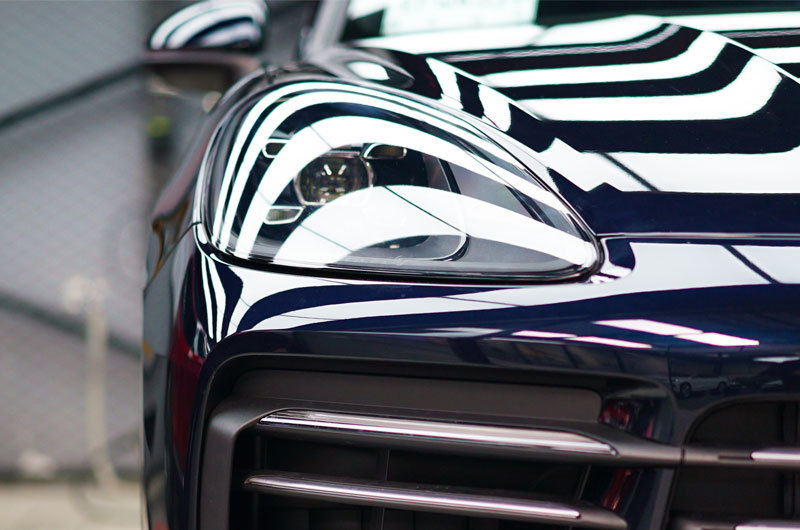
Car paint protection film (PPF) has become an essential accessory for vehicle owners seeking to maintain the pristine condition of their automobiles. This transparent polyurethane film is designed to protect the paint surface from various environmental hazards, including scratches, chips, and UV rays. Understanding the benefits of installing paint protection film can help vehicle owners make infor
How Decorative Glass Film Can Effectively Reduce Glare and Heat
2026-07-26
How Decorative Glass Film Can Effectively Reduce Glare and Heat
Introduction to Decorative Glass Film
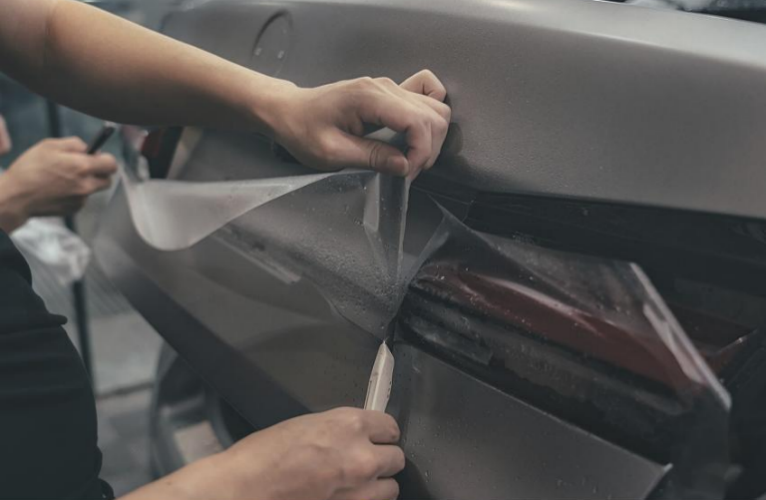
In the realm of architectural design and interior decoration, decorative glass film has emerged as a versatile solution to various challenges, particularly in managing glare and heat. As energy efficiency and user comfort become paramount in modern spaces, understanding the benefits and applicat
Understanding Clear Vinyl Paint Protection: Benefits and Applications
2026-07-19
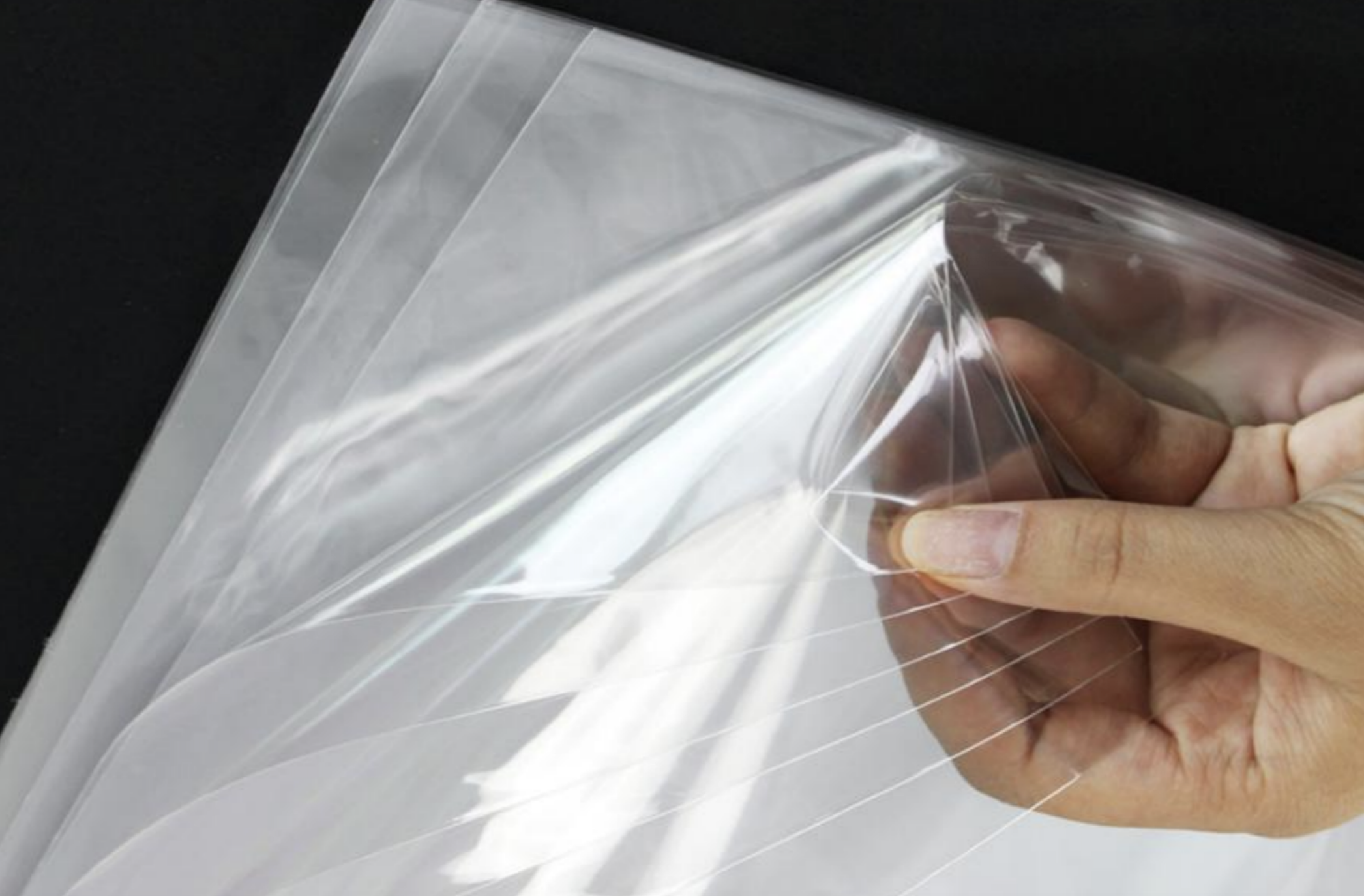
Clear vinyl paint protection is a specialized solution designed to shield surfaces from environmental damage while preserving their original appearance. This protective film is composed of high-quality, transparent vinyl that adheres seamlessly to various surfaces, including vehicles, furniture, and electronic devices. One of the primary benefits of clear vinyl paint protection is its ability to p


