

How Decorative Glass Film Can Effectively Reduce Glare and Heat
2026-07-26
How Decorative Glass Film Can Effectively Reduce Glare and Heat
Introduction to Decorative Glass Film
In the realm of architectural design and interior decoration, decorative glass film has emerged as a versatile solution to various challenges, particularly in managing glare and heat. As energy efficiency and user comfort become paramount in modern spaces, understanding the benefits and applications of decorative glass film can lead to more informed choices for homeowners and businesses alike.
The Science Behind Glare and Heat
To fully appreciate how decorative glass film can mitigate glare and heat, it is essential to understand the science behind these phenomena. Glare occurs when excessive brightness interferes with visual comfort, often caused by sunlight entering through windows. This discomfort can lead to decreased productivity, increased eye strain, and an overall unpleasant environment.
Heat, on the other hand, is transferred through windows primarily via conduction and radiation, leading to higher indoor temperatures and increased energy consumption due to air conditioning systems working overtime to maintain a comfortable climate. Decorative glass film addresses these issues in a multitude of ways, providing a practical solution to improve living and working spaces.
What is Decorative Glass Film?
Decorative glass film is a thin, adhesive layer applied to the surface of glass. It comes in various designs, colors, and opacities, allowing for customization based on aesthetic preferences and functional needs. This film can not only enhance the visual appeal of windows and glass surfaces but also serve practical purposes, such as reducing glare and heat, enhancing privacy, and improving security.
Types of Decorative Glass Films
When considering decorative glass film, it is crucial to understand the different types available. Each type offers unique benefits and applications:
1. Solar Control Films
Solar control films are designed specifically to block ultraviolet (UV) rays and reduce solar heat gain. These films help maintain a comfortable indoor temperature while protecting furniture and flooring from sun damage.
2. Frosted Films
Frosted films provide privacy without sacrificing natural light. These films can diffuse sunlight, reducing glare while maintaining visibility and brightness within a space.
3. Colored Films
Colored decorative films can add vibrancy to any space while minimizing glare. They can also enhance the aesthetic appeal of a building, making it stand out in its environment.
4. Textured Films
Textured films offer a unique three-dimensional appearance, creating visual interest while providing glare reduction. These films can also contribute to privacy, making them ideal for offices and residential spaces.
Benefits of Using Decorative Glass Film
Implementing decorative glass film comes with an array of benefits, far beyond mere aesthetics:
Glare Reduction
The primary purpose of decorative glass film is to minimize glare. By reducing the intensity of sunlight entering a space, occupants can enjoy a more comfortable environment, free from the harsh effects of direct sunlight. This is particularly beneficial in workspaces where computer screens and digital displays can be affected by glare, leading to decreased productivity.
Heat Control
In addition to glare reduction, decorative glass film can significantly lower indoor temperatures by reflecting solar energy away from the glass. This helps to maintain a consistent and comfortable climate, reducing the reliance on air conditioning systems. As a result, property owners can enjoy lower energy bills and a reduced carbon footprint.
UV Protection
Decorative glass films often provide UV protection, blocking up to 99% of harmful UV rays. This not only protects the occupants but also prevents furniture, flooring, and artwork from fading due to sun exposure, preserving the integrity and appearance of interior spaces.
Enhanced Privacy
Many types of decorative glass film offer varying levels of privacy, allowing homeowners and business owners to maintain their confidentiality without sacrificing natural light. Frosted and tinted films can obscure views from the outside while still permitting light to enter, creating a comfortable and inviting atmosphere.
Easy Installation and Maintenance
Installing decorative glass film is a straightforward process that can often be completed in a matter of hours. Additionally, maintaining the film is simple; regular cleaning with non-abrasive materials ensures that the films remain in excellent condition, extending their lifespan.
Cost-Effective Solution
Compared to other methods of glare and heat reduction, such as installing new windows or shades, decorative glass film is a cost-effective alternative. It offers a high return on investment by improving energy efficiency and enhancing the aesthetic appeal of a property.
Applications of Decorative Glass Film
The versatility of decorative glass film allows it to be used in various settings:
Residential Applications
In homes, decorative glass film can be applied to windows, sliding doors, and glass partitions. Homeowners can choose designs that complement their decor while benefiting from glare reduction, heat control, and enhanced privacy. For instance, a frosted film in a bathroom provides privacy without sacrificing light, while a solar control film in a living room can help reduce heat and glare.
Commercial Applications
Businesses can utilize decorative glass film in offices, retail spaces, and restaurants. In offices, solar control films improve employee comfort and productivity by minimizing glare on screens. Retailers can use decorative films to create eye-catching displays while maintaining a comfortable shopping environment. Restaurants can apply films to windows for added privacy while allowing diners to enjoy natural light.
Educational Institutions
Schools and universities benefit from decorative glass film by enhancing learning environments. Classrooms with reduced glare create a more conducive atmosphere for studying, while film coatings on large windows minimize heat gain, creating a comfortable learning space.
Choosing the Right Decorative Glass Film
When selecting decorative glass film, consider the following factors:
1. Purpose
Identify the primary reason for applying decorative glass film. Whether it’s for glare reduction, heat control, privacy, or aesthetic enhancement, understanding your needs will guide your choice.
2. Type of Film
Choose a type of film that aligns with your purpose. Solar control films are ideal for heat reduction, while frosted films offer privacy. Ensure to consider the aesthetic aspect as well, as the film should complement your existing decor.
3. Quality and Durability
Investing in high-quality films ensures longevity and effectiveness. Look for films that come with warranties, indicating their durability and resistance to peeling, bubbling, and fading.
4. Professional Installation
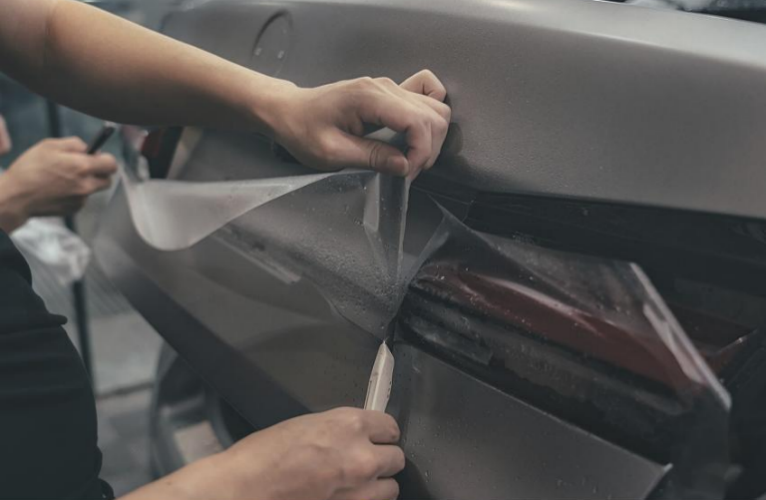
While it’s possible to install decorative glass film yourself, hiring a professional ensures a flawless finish without bubbles or wrinkles. Professionals have the expertise to measure, cut, and apply the film correctly for optimal results.
Frequently Asked Questions (FAQs)
1. How long does decorative glass film last?
With proper care and maintenance, decorative glass film can last anywhere from 5 to 15 years, depending on the quality of the film and the installation.
2. Can decorative glass film be removed?
Yes, decorative glass film can be removed. Professional installers can safely peel off the film without damaging the glass surface.
3. Will decorative glass film affect the appearance of my windows?
Decorative glass film enhances the appearance of windows by adding color, texture, or a frosted effect. It can transform plain glass into a stylish feature of your space.
4. Is decorative glass film suitable for all types of windows?
Most decorative glass films can be applied to standard windows. However, it’s essential to check with the manufacturer for compatibility with specialty glass types, such as double-pane or Low-E glass.
5. How do I clean decorative glass film?
Cleaning decorative glass film is simple. Use a soft cloth and a mild, non-abrasive cleaner to wipe the surface. Avoid using harsh chemicals or abrasive materials that could damage the film.
Conclusion
Decorative glass film is an innovative and practical solution for reducing glare and heat in residential and commercial settings. By understanding the benefits, types, and applications of these films, property owners can make informed decisions that enhance comfort, aesthetics, and energy efficiency. With a range of options available, decorative glass film not only improves the functionality of spaces but also adds a touch of style, making it a worthwhile investment for any property.
How Decorative Glass Film Can Effectively Reduce Glare and Heat
2026-07-26
How Decorative Glass Film Can Effectively Reduce Glare and Heat
Introduction to Decorative Glass Film
In the realm of architectural design and interior decoration, decorative glass film has emerged as a versatile solution to various challenges, particularly in managing glare and heat. As energy efficiency and user comfort become paramount in modern spaces, understanding the benefits and applicat
Understanding Clear Vinyl Paint Protection: Benefits and Applications
2026-07-19
Clear vinyl paint protection is a specialized solution designed to shield surfaces from environmental damage while preserving their original appearance. This protective film is composed of high-quality, transparent vinyl that adheres seamlessly to various surfaces, including vehicles, furniture, and electronic devices. One of the primary benefits of clear vinyl paint protection is its ability to p
Wholesale matte paint protection film Manufacturers china
2026-07-13
With the development of the car detailing, modification, and high-end vehicle protection markets, the demand for matte paint protection film is constantly increasing. For car detailing shops, modification shops, dealers, and bulk purchasing companies, choosing a suitable matte paint protection film supplier is crucial not only for product quality but also for customer satisfaction and long-term operating costs. Therefore, when purchasing matte paint protection film in bulk, a comprehensive evaluation is needed, considering factors such as material performance, production capacity, customization services, and after-sales support.


