

Why Choose Vinyl Wrap Sheets for Your Car Over Traditional Paint? A Comprehensive Guide
2024-10-30
Why Choose Vinyl Wrap Sheets for Your Car Over Traditional Paint?
The Evolution of Car Customization
In the world of automotive customization, the methods and materials we use have evolved significantly over the years. Once dominated by traditional paint, the industry has seen a shift toward innovative solutions like vinyl wrap sheets. As car enthusiasts and everyday drivers seek unique ways to express their style, vinyl wraps have emerged as a popular alternative. But why are they gaining such traction? Let’s explore the compelling reasons behind the preference for vinyl wraps over traditional paint.
Understanding Vinyl Wraps
Vinyl wraps are large sheets of thin, flexible vinyl material that can be applied to the exterior of a vehicle. This material comes in a variety of colors, textures, and finishes, providing a wide range of customization options. Unlike paint, vinyl wraps sit on top of the car’s surface rather than adhering to it permanently, offering both aesthetic and practical benefits.
The Advantages of Vinyl Wraps
When it comes to car customization, the decision often boils down to aesthetics, durability, and cost. Vinyl wraps provide numerous advantages that make them a superior choice compared to traditional paint.
1. Cost-Effectiveness
One of the most significant factors influencing car customization decisions is cost. Vinyl wraps generally cost less than a full paint job. While the price can vary depending on quality and complexity, vinyl wraps can save you money in both application and maintenance over time.
2. Customization Options
Vinyl wraps come in a plethora of colors, finishes, and textures, ranging from matte to glossy, and even carbon fiber or chrome. This vast array of options allows car owners to achieve a truly unique look that reflects their personal style. In contrast, traditional paint jobs may offer limited options and require extensive mixing to achieve a desired color.
3. Quick Application Process
Applying a vinyl wrap typically takes a fraction of the time required for a full paint job. While a professional paint job can take several days to complete, vinyl wraps can often be applied in a matter of hours. This means less downtime for your vehicle and a quicker return to the road.
4. Protecting Your Original Paint
Vinyl wraps serve as a protective layer for your vehicle’s original paint job. They shield against UV rays, dirt, and minor abrasions, keeping the underlying paint in pristine condition. If you ever decide to remove the vinyl wrap, the original paint will be preserved, allowing for a potential higher resale value.
5. Easy Removal
Changing your vehicle's look is simple with vinyl wraps. If you grow tired of a particular design or color, professional removal is quick and straightforward, often without damaging the paint underneath. In contrast, repainting a car can be a labor-intensive process that may require extensive preparation.
Comparing Durability: Vinyl Wraps vs. Traditional Paint
Durability plays a critical role in the decision-making process for car customization. Many car owners are concerned with how well their choice will stand the test of time.
Vinyl Wrap Longevity
High-quality vinyl wraps can last between five to seven years, depending on factors such as weather exposure, maintenance, and quality of installation. This longevity can make vinyl a more appealing option for those who want a long-lasting solution without the permanence of paint.
Paint Durability
While traditional paint jobs can also last several years, they are subject to chipping, fading, and oxidation over time. Frequent exposure to the elements can diminish the vibrancy of the paint, requiring touch-ups or complete repainting after a few years.
Understanding the Installation Process
A successful application of vinyl wraps involves a detailed process that ensures the best possible finish.
Preparation
Before applying a vinyl wrap, the vehicle must be thoroughly cleaned and prepped. Any dirt, wax, or grease can affect adhesion and lead to bubbles or peeling.
Application Techniques
Professional installers typically use heat guns and specialized tools to ensure the vinyl adheres smoothly to the contours of the car. The application process involves stretching the vinyl to fit and avoiding air bubbles, resulting in a sleek, factory-like finish.
Maintenance of Vinyl Wraps Versus Paint
Proper maintenance is essential for preserving the appearance and longevity of your vehicle’s exterior, regardless of whether you choose vinyl wraps or traditional paint.
Maintaining Vinyl Wraps
To maintain the look of vinyl wraps, regular washing with mild soap and water is recommended. Avoid harsh chemicals that could degrade the vinyl. Additionally, waxing is possible, but using specific products designed for vinyl is crucial.
Pain Care and Maintenance
Traditional paint requires regular waxing and polishing to protect against UV damage and maintain shine. However, paint can be more susceptible to scratches and chips from road debris.
Environmental Considerations
As the automotive industry moves toward sustainability, it is essential to consider the environmental impact of different customization methods.
Eco-Friendliness of Vinyl Wraps
Many manufacturers now produce eco-friendly vinyl wraps, reducing their impact on the environment. Additionally, because vinyl wraps minimize the need for repainting, they can contribute to less waste overall.
Paint and Environmental Impact
Traditional paint jobs often involve chemicals that can be harmful to the environment. The process of painting can also generate considerable waste and require more resources.
Real-Life Application: Case Studies of Vinyl Wrap Success
To better understand the impact of vinyl wraps, let’s explore some real-life examples of successful vinyl wrap applications.
Case Study 1: The Transformation of a Standard Sedan
A standard sedan was transformed from a bland factory color to a vibrant matte red vinyl wrap. The owner reported receiving numerous compliments and noted the ease of cleaning and maintaining the wrap compared to paint.
Case Study 2: Custom Designs on a Sports Car
A sports car owner opted for a unique graphic design using vinyl wraps. The installation process took less than a day, and the car remained eye-catching and unique, drawing attention at car shows while protecting the original paint.
Frequently Asked Questions (FAQs)
1. How much does a vinyl wrap cost compared to a paint job?
The cost of a vinyl wrap typically ranges from $2,500 to $5,000, depending on the vehicle size and design complexity. In contrast, a high-quality paint job can cost significantly more, often reaching upwards of $10,000.
2. How long does a vinyl wrap last?
High-quality vinyl wraps usually last between 5 to 7 years with proper care.
3. Can I wash my wrapped car like a painted one?
Yes, you can wash a wrapped vehicle, but it's advisable to use mild soap and avoid harsh chemicals to protect the vinyl.
4. Can I remove a vinyl wrap myself?
While DIY removal is possible, it's recommended to have a professional do it to prevent damage to the underlying paint.
5. What happens if a vinyl wrap gets damaged?
Damaged sections of a vinyl wrap can usually be repaired by replacing only the affected area, rather than the entire wrap.
Conclusion
Choosing between vinyl wrap sheets and traditional paint for your vehicle can be a significant decision. With the advantages of cost-effectiveness, extensive design options, quick application, and enhanced protection, vinyl wraps stand out as an exceptional choice for car customization. Whether you're looking to transform your vehicle's appearance or safeguard its original paint, vinyl wraps offer a versatile and durable solution that can meet your needs while being kinder to the environment. Embracing vinyl wraps not only enhances your vehicle's aesthetic appeal but also aligns with modern automotive trends, making it a worthy consideration for every car enthusiast.
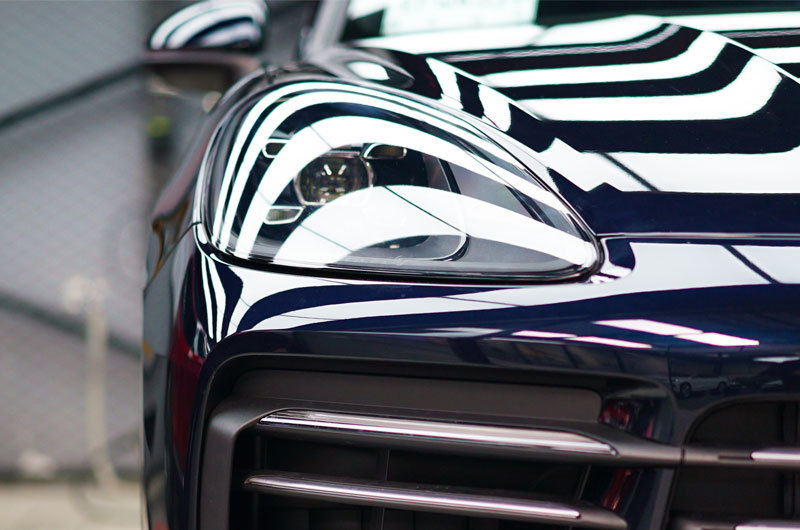
Enhancing Vehicle Longevity: The Benefits of Car Paint Protection Film
2026-08-02
Car paint protection film (PPF) has become an essential accessory for vehicle owners seeking to maintain the pristine condition of their automobiles. This transparent polyurethane film is designed to protect the paint surface from various environmental hazards, including scratches, chips, and UV rays. Understanding the benefits of installing paint protection film can help vehicle owners make infor
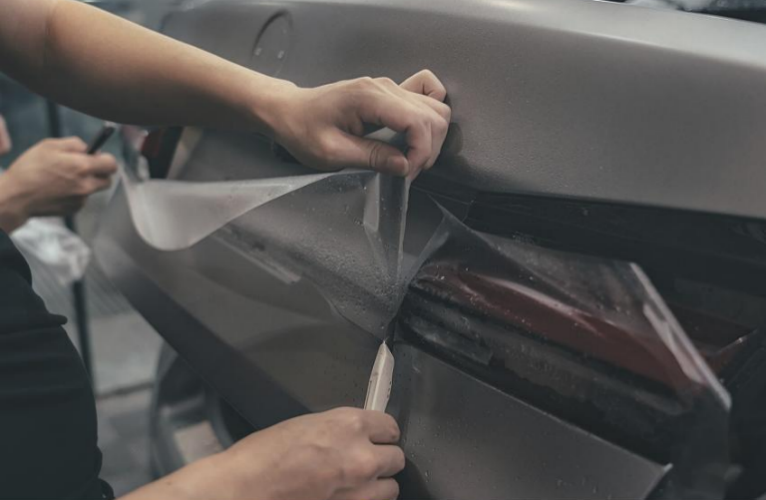
How Decorative Glass Film Can Effectively Reduce Glare and Heat
2026-07-26
How Decorative Glass Film Can Effectively Reduce Glare and Heat
Introduction to Decorative Glass Film
In the realm of architectural design and interior decoration, decorative glass film has emerged as a versatile solution to various challenges, particularly in managing glare and heat. As energy efficiency and user comfort become paramount in modern spaces, understanding the benefits and applicat
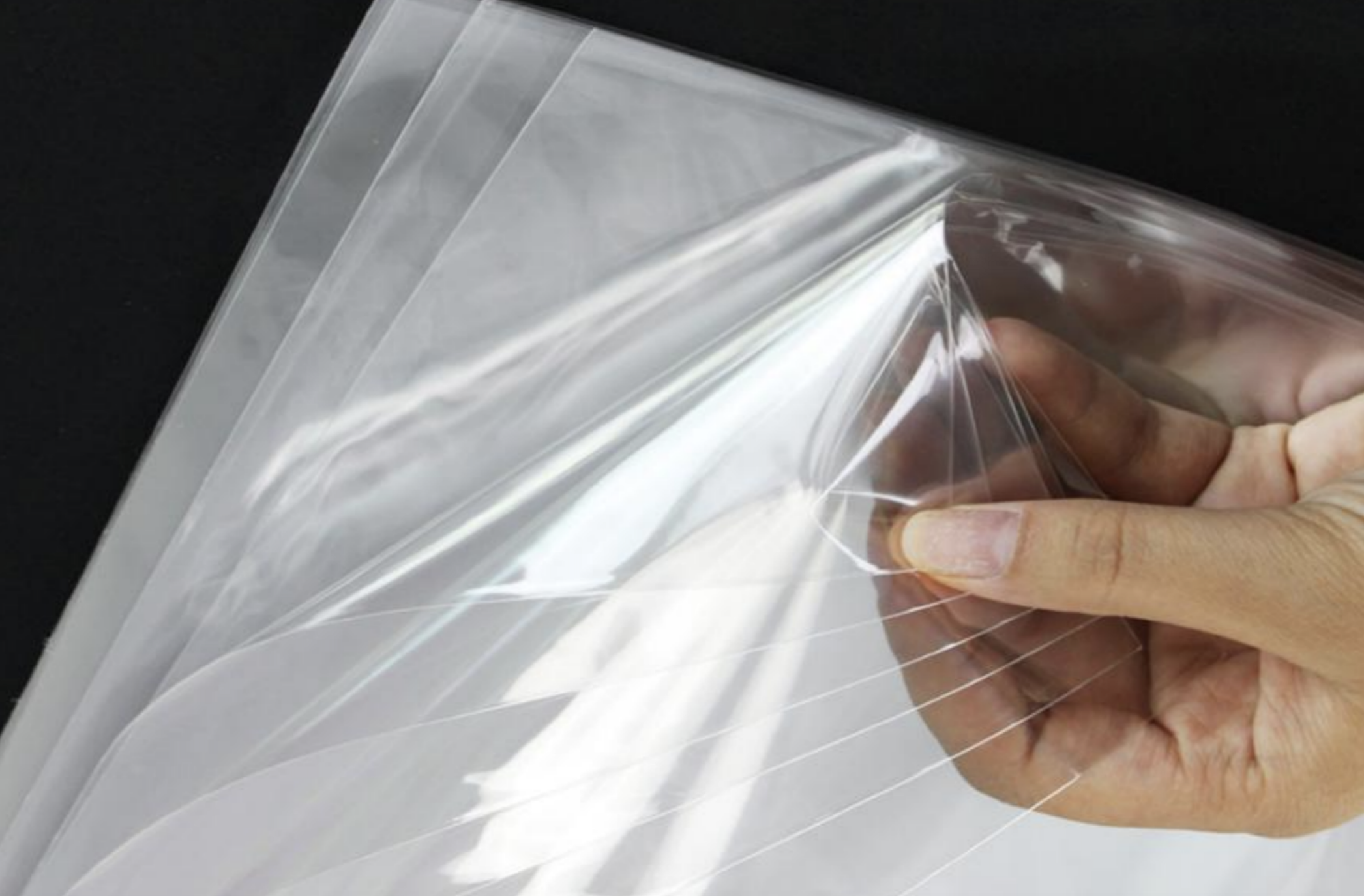
Understanding Clear Vinyl Paint Protection: Benefits and Applications
2026-07-19
Clear vinyl paint protection is a specialized solution designed to shield surfaces from environmental damage while preserving their original appearance. This protective film is composed of high-quality, transparent vinyl that adheres seamlessly to various surfaces, including vehicles, furniture, and electronic devices. One of the primary benefits of clear vinyl paint protection is its ability to p


