

Transform Your Vehicle: The Ultimate Guide to Car Protective Film Wrap
2024-11-11
Transform Your Vehicle: The Ultimate Guide to Car Protective Film Wrap
Table of Contents
1. Introduction to Car Protective Film Wrap
2. Benefits of Using Car Protective Film Wrap
3. Different Types of Car Protective Films
3.1 Clear Bra Film
3.2 Vinyl Wraps
3.3 Ceramic Coatings
4. How to Choose the Right Film for Your Vehicle
5. Installation Process of Car Protective Film Wrap
5.1 DIY Installation vs. Professional Installation
6. Maintenance Tips for Car Film Wraps
7. Cost Considerations for Car Protective Film Wrap
8. Frequently Asked Questions (FAQs)
9. Conclusion
1. Introduction to Car Protective Film Wrap
Car protective film wrap, also known as paint protection film (PPF), is a transparent layer of urethane that is applied to the painted surfaces of vehicles. This innovative solution acts as a barrier against various environmental elements, road debris, and minor abrasions, ensuring that your vehicle retains its aesthetic appeal and value over time. By investing in car protective film wrap, vehicle owners can enjoy peace of mind knowing their investment is safeguarded against the rigors of daily driving.
2. Benefits of Using Car Protective Film Wrap
The advantages of using car protective film wrap extend beyond mere aesthetics. Below are some compelling benefits that make this solution desirable for vehicle owners:
- **Protection Against Scratches and Chips**: The film provides an effective shield against small scratches and stone chips that can otherwise mar your vehicle's finish.
- **UV Protection**: Prolonged exposure to sunlight can fade and damage your car's paint. Protective films incorporate UV inhibitors that help maintain the vibrancy of your vehicle's color.
- **Self-Healing Properties**: Many modern protective films are designed to heal from small scratches when exposed to heat, thus maintaining a pristine appearance.
- **Easy Maintenance**: The smooth surface of the film makes it easier to wash and wax compared to traditional paint.
- **Increased Resale Value**: Vehicles with well-maintained exterior finishes tend to fetch higher resale prices, making PPF a smart investment.
3. Different Types of Car Protective Films
When it comes to car protective films, there are several options available, each catering to different needs and preferences.
3.1 Clear Bra Film
Clear bra film is the most common type of paint protection film. It is virtually invisible and offers robust protection against rocks, road debris, and other hazards. This film is particularly popular for high-end vehicles and cars with custom paint jobs.
3.2 Vinyl Wraps
Vinyl wraps are not only used for protection but also for aesthetic enhancement. They come in various colors and finishes, allowing car owners to change the appearance of their vehicles while providing a layer of protection.
3.3 Ceramic Coatings
While not a film in the traditional sense, ceramic coatings provide a durable layer of protection against scratches and UV rays. They are often used in conjunction with protective films for enhanced results.
4. How to Choose the Right Film for Your Vehicle
Selecting the appropriate protective film for your vehicle involves several considerations:
- **Vehicle Type**: Consider the type of vehicle you own. Sports cars may benefit more from PPF due to their higher exposure to road debris.
- **Climate Conditions**: If you live in an area with extreme weather conditions, choose a film that offers UV protection and durability.
- **Desired Aesthetics**: Decide whether you want a clear film for invisibility or a colored wrap for a new look.
5. Installation Process of Car Protective Film Wrap
The installation of car protective film can be a meticulous process, requiring attention to detail.
5.1 DIY Installation vs. Professional Installation
While some enthusiasts may attempt a DIY installation, the results can vary significantly based on skill level. Professional installers bring expertise and experience, ensuring a flawless application that minimizes the risk of bubbles or misalignment.
6. Maintenance Tips for Car Film Wraps
To ensure the longevity of your car protective film wrap, follow these maintenance tips:
- **Regular Cleaning**: Wash your vehicle regularly using pH-neutral soap and a microfiber cloth to prevent dirt buildup.
- **Avoid Abrasive Materials**: Steer clear of harsh chemicals and abrasive sponges that can damage the film.
- **Inspect for Damage**: Periodically check for any signs of wear or damage to address issues early.
7. Cost Considerations for Car Protective Film Wrap
The cost of car protective film wrap varies depending on several factors, including the type of film, the size of the vehicle, and whether you choose professional installation. On average, vehicle owners can expect to pay between $500 to $2,500 for a full application, while partial coverage options can reduce costs significantly.
8. Frequently Asked Questions (FAQs)
What is the lifespan of car protective film wrap?
Most high-quality protective films last between 5 to 10 years, depending on environmental conditions and maintenance.
Can car protective film be removed?
Yes, professional installers can safely remove the film without damaging the underlying paint.
Will the film affect the color of my car’s paint?
No, high-quality films are designed to be transparent, ensuring that the original paint color remains unchanged.
Is the installation process complicated?
While it can be complicated, especially for large areas, professional installers have the expertise to ensure a flawless application.
Can I apply wax or sealant over the film?
Yes, but it’s advisable to use products that are safe for use on vinyl or PPF to avoid damage.
9. Conclusion
Transforming your vehicle with car protective film wrap is not merely about aesthetics; it’s an investment in preserving your car's value and appearance. With various options available, understanding the benefits, installation processes, and maintenance tips can empower you to make an informed decision. Whether you choose to go the DIY route or opt for professional installation, embracing this innovative solution will undoubtedly enhance your driving experience and keep your vehicle looking its best for years to come.
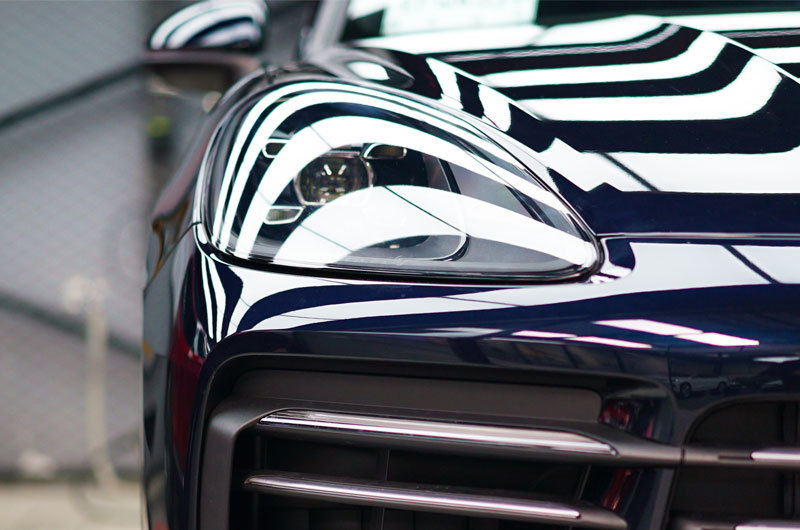
Enhancing Vehicle Longevity: The Benefits of Car Paint Protection Film
2026-08-02
Car paint protection film (PPF) has become an essential accessory for vehicle owners seeking to maintain the pristine condition of their automobiles. This transparent polyurethane film is designed to protect the paint surface from various environmental hazards, including scratches, chips, and UV rays. Understanding the benefits of installing paint protection film can help vehicle owners make infor
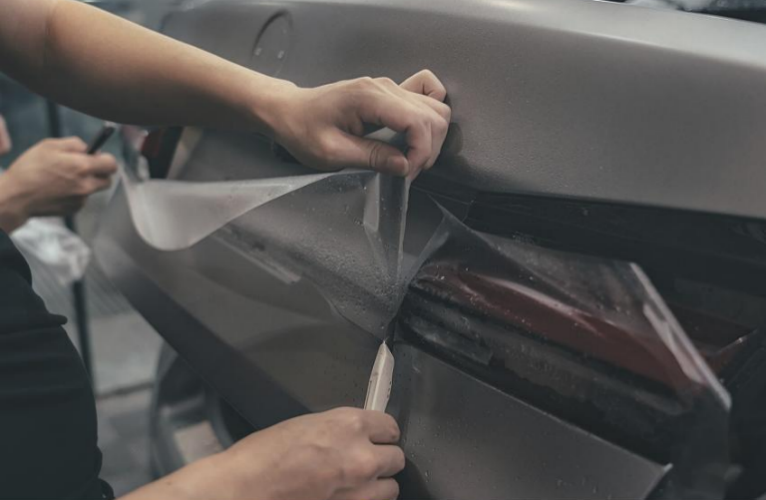
How Decorative Glass Film Can Effectively Reduce Glare and Heat
2026-07-26
How Decorative Glass Film Can Effectively Reduce Glare and Heat
Introduction to Decorative Glass Film
In the realm of architectural design and interior decoration, decorative glass film has emerged as a versatile solution to various challenges, particularly in managing glare and heat. As energy efficiency and user comfort become paramount in modern spaces, understanding the benefits and applicat
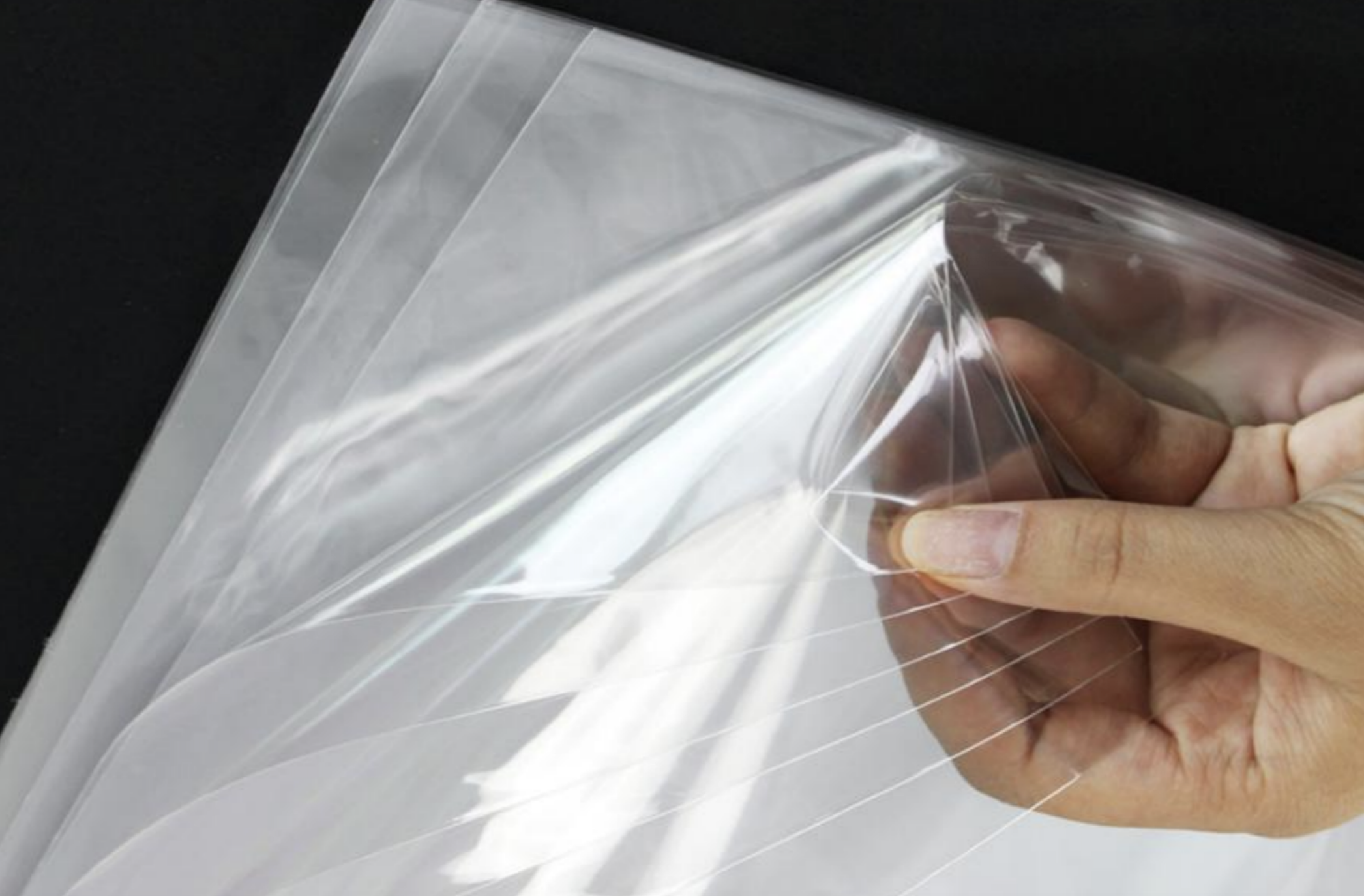
Understanding Clear Vinyl Paint Protection: Benefits and Applications
2026-07-19
Clear vinyl paint protection is a specialized solution designed to shield surfaces from environmental damage while preserving their original appearance. This protective film is composed of high-quality, transparent vinyl that adheres seamlessly to various surfaces, including vehicles, furniture, and electronic devices. One of the primary benefits of clear vinyl paint protection is its ability to p


