

Why Every Car Owner Needs a Protective Film Wrap: The Ultimate Guide
2024-11-13
Why Every Car Owner Needs a Protective Film Wrap: The Ultimate Guide
As car owners, we invest significant time and money into our vehicles. Whether it's for daily commutes, weekend getaways, or simply running errands, our cars are an extension of ourselves. Therefore, protecting this investment is crucial. One of the most effective ways to guard your vehicle's exterior is through a protective film wrap. This comprehensive guide will delve into why every car owner should consider investing in protective film wraps, their benefits, and how they work.
Table of Contents
- Introduction to Protective Film Wraps
- Understanding the Benefits of Protective Film Wraps
- Protection Against Scratches and Dents
- UV Protection and Its Importance
- Preserving Your Car’s Resale Value
- Types of Protective Film Wraps
- Self-Healing Film
- Clear Bra vs. Vinyl Wraps
- How Protective Film Wraps Work
- Installation Process: What to Expect
- Maintenance and Care for Your Protective Film Wrap
- Cost of Protective Film Wraps: Is It Worth It?
- Frequently Asked Questions (FAQs)
- Conclusion: Make the Smart Choice for Your Vehicle
Introduction to Protective Film Wraps
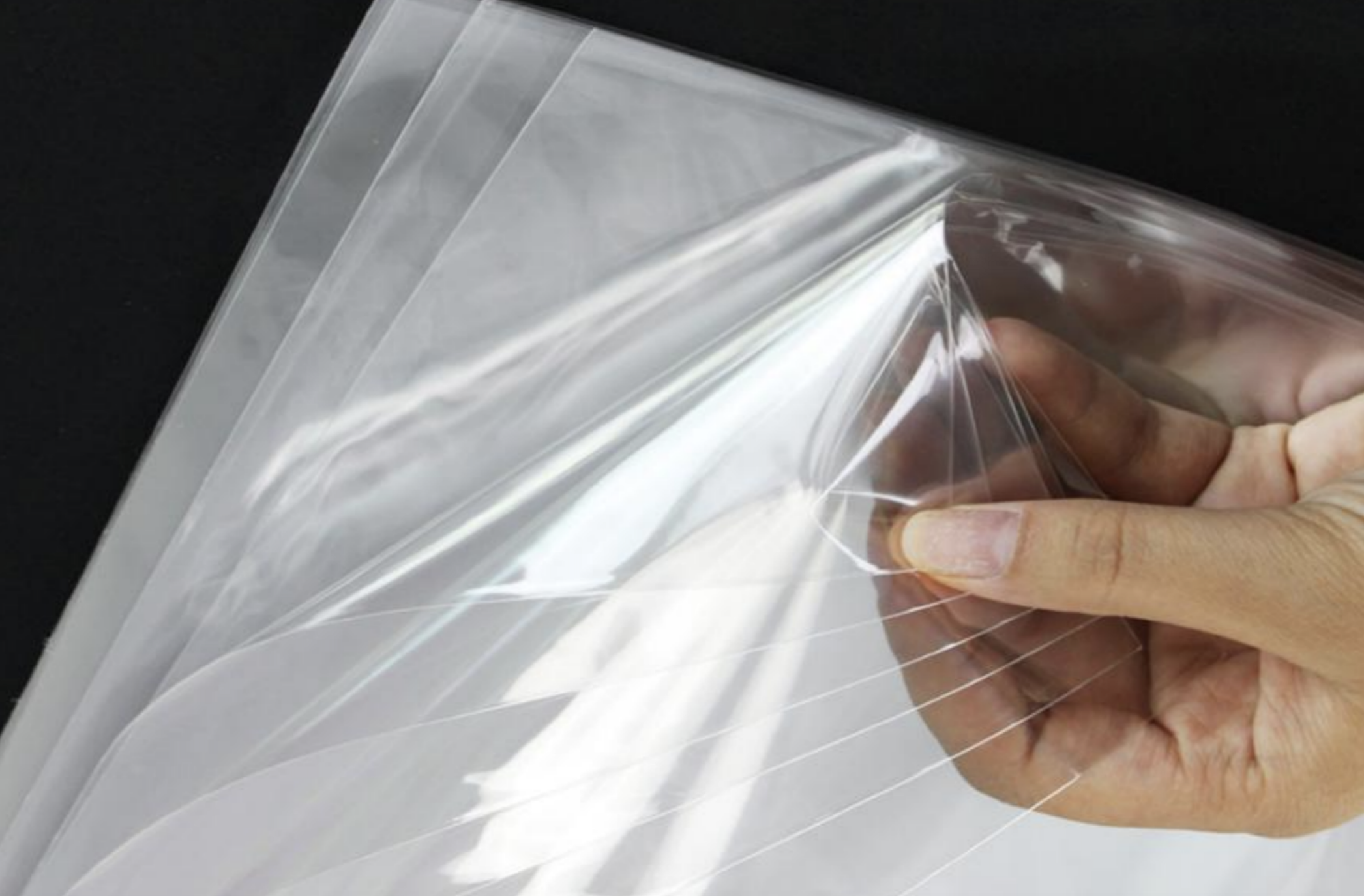
Protective film wraps, also known as paint protection film (PPF), are clear, durable layers of material applied to a vehicle's exterior. These films are designed to shield the car's paint from various environmental hazards, including road debris, UV rays, and harsh weather conditions. Using advanced technology, these films not only provide protection but also enhance the overall appearance of the vehicle.
Understanding the Benefits of Protective Film Wraps
When considering the investment in a protective film wrap, it’s essential to understand the myriad benefits it provides. Below, we will explore some of the most significant advantages.
Protection Against Scratches and Dents
Every car owner knows how easily a vehicle's surface can become blemished. From minor scratches caused by branches to significant dents from parking lot mishaps, these imperfections can diminish your car’s aesthetic appeal. Protective film wraps are designed to absorb impacts and resist scratches, acting as a barrier that prevents these damages from reaching the paint underneath.
UV Protection and Its Importance
Prolonged exposure to sunlight can fade a car’s paint over time. This fading not only affects the car's appearance but can also lead to more severe damage, such as oxidation. Protective film wraps offer UV protection, reflecting harmful rays and maintaining your vehicle's vibrant color for years to come. This feature is particularly beneficial for those living in sunny climates, where sun damage can be a significant concern.
Preserving Your Car’s Resale Value
When it comes time to sell or trade-in your vehicle, the condition of the exterior plays a crucial role in its resale value. Cars with well-maintained paintwork fetch higher prices in the market. By applying a protective film wrap, you can significantly reduce the chances of paint damage, ensuring that your vehicle retains its aesthetic appeal and, consequently, its value.
Types of Protective Film Wraps
There are several types of protective film wraps available on the market. Understanding these types will help you make an informed decision based on your specific needs.
Self-Healing Film
One of the most innovative advancements in protective film technology is the development of self-healing films. These films have the ability to repair minor scratches and abrasions automatically when exposed to heat. This means that if your car's protective film gets scratched, the heat from the sun or a warm garage can cause the film to "heal" itself, restoring its original appearance without requiring any intervention.
Clear Bra vs. Vinyl Wraps
When discussing protective films, two common options are clear bras and vinyl wraps. Clear bras are specifically designed for paint protection, offering a transparent, high-gloss finish that doesn’t alter the car's appearance. In contrast, vinyl wraps allow for customization in terms of color and design, but they may not provide the same level of protection from scratches and impacts. Understanding the differences can help you choose the right solution for your vehicle.
How Protective Film Wraps Work
The technology behind protective film wraps is quite fascinating. These films are typically made from a thermoplastic urethane, which provides excellent durability and flexibility. When installed, the film adheres closely to the vehicle's surface, creating a protective barrier. This barrier absorbs impacts from small rocks and debris while preventing UV rays from penetrating the paint. Moreover, the films are designed to be self-healing and easy to clean, making maintenance a breeze.
Installation Process: What to Expect
When deciding to install a protective film wrap, it’s essential to understand the installation process. While some car owners may consider a DIY approach, professional installation is highly recommended for optimal results.
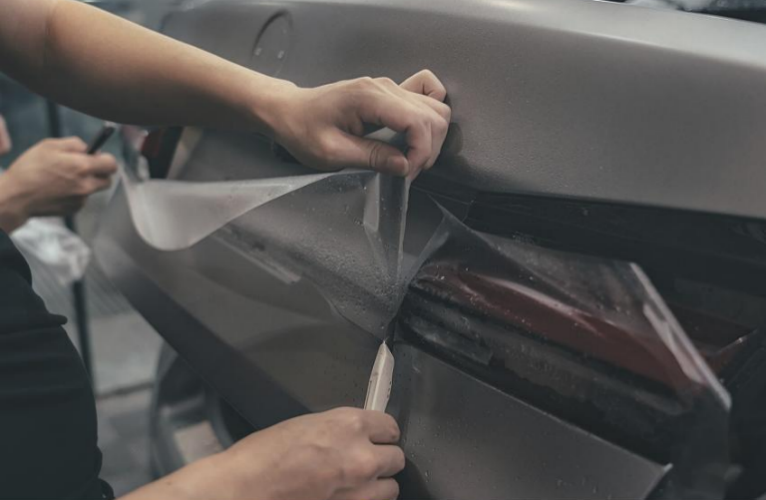
The installation process typically includes the following steps:
- **Surface Preparation**: The vehicle's surface is thoroughly cleaned to remove dirt, wax, and other contaminants.
- **Film Measurement and Cutting**: The protective film is carefully measured and cut to fit the car's specific dimensions.
- **Application**: The film is applied using a specialized adhesive. Technicians ensure that there are no bubbles or creases during this step.
- **Curing**: The film is allowed to cure for a specific period, which helps it bond securely to the vehicle.
Maintenance and Care for Your Protective Film Wrap
To ensure that your protective film wrap remains effective, proper maintenance is essential. Here are some tips for caring for your protective film:
- **Regular Washing**: Wash your car regularly to remove dirt and grime. Use a pH-balanced soap and avoid abrasive materials.
- **Avoid Harsh Chemicals**: Steer clear of harsh chemicals or cleaners that can break down the film over time.
- **Check for Damage**: Periodically inspect the film for any signs of wear or lifting edges, addressing any issues promptly.
Cost of Protective Film Wraps: Is It Worth It?
The cost of protective film wraps can vary significantly based on several factors, including the type of film used, the size of the vehicle, and the complexity of the installation. While the initial investment may seem substantial, the long-term benefits often outweigh the costs.
By investing in a protective film wrap, car owners can save money on potential paint repairs, enhance their vehicle's resale value, and enjoy peace of mind knowing their car is well-protected. Ultimately, the decision to install a protective film wrap should be seen as a smart investment in protecting your vehicle's appearance and value.
Frequently Asked Questions (FAQs)
1. How long does a protective film wrap last?
A high-quality protective film can last anywhere from 5 to 10 years, depending on the brand and maintenance.
2. Can protective film be removed?
Yes, protective film wraps can be safely removed by professionals without damaging the car's paint.
3. Will a protective film wrap change my car’s appearance?
Most protective films are clear, so they won't alter your car's appearance. However, colored vinyl wraps can change your car's look.
4. Does a protective film wrap require special cleaning products?
It's best to use pH-balanced cleaners and microfiber cloths to maintain the film without causing damage.
5. Can I install the protective film wrap myself?
While it's possible to install the film yourself, professional installation is recommended for the best results and durability.
Conclusion: Make the Smart Choice for Your Vehicle
Investing in a protective film wrap is a wise decision for any car owner. With benefits ranging from scratch resistance to UV protection and increased resale value, these innovative solutions offer unmatched protection for your vehicle. By understanding the types of films available, the installation process, and how to maintain them, you can ensure your car remains in pristine condition for years to come. Don’t wait until it’s too late—protect your investment with a protective film wrap today!
Enhancing Vehicle Longevity: The Benefits of Car Paint Protection Film
2026-08-02
How Decorative Glass Film Can Effectively Reduce Glare and Heat
2026-07-26
Understanding Clear Vinyl Paint Protection: Benefits and Applications
2026-07-19


