

Transform Your Vehicle’s Appearance with Paint Protection Film: A Comprehensive Guide
2025-01-20
Transform Your Vehicle’s Appearance with Paint Protection Film
Introduction to Paint Protection Film
Paint protection film (PPF), a clear, durable thermoplastic urethane layer, serves as an invisible guardian for your vehicle’s exterior. Over the years, car lovers and everyday drivers alike have recognized the film's ability to shield the paint from various environmental hazards, including rock chips, scratches, and UV rays. This article delves into the advantages of using PPF, types available, installation processes, and maintenance tips, allowing you to make an informed decision that will keep your vehicle looking new.
The Benefits of Paint Protection Film
1. Preserves Your Vehicle’s Aesthetic Appeal
One of the most compelling reasons to invest in paint protection film is its ability to maintain your vehicle's visual charm. The film acts as a barrier, preventing paint imperfections caused by environmental factors such as bird droppings, tree sap, and road debris. By keeping your car's finish in pristine condition, you enhance its overall appearance, making it look brand new.
2. Enhances Resale Value
A well-maintained vehicle with minimal exterior damage can command a higher resale price. By applying paint protection film, you're not only investing in your car's appearance but also ensuring that its value remains intact. Potential buyers are more likely to choose a vehicle that appears well-maintained and free from scratches or discoloration.
3. UV Protection
The sun can be harsh on your vehicle's paint, causing it to fade over time. Paint protection film offers excellent UV protection, blocking harmful rays that can lead to discoloration and degradation of your car’s exterior. By investing in PPF, you can keep your vehicle looking vibrant and fresh for years to come.
4. Easy Maintenance
Maintaining a vehicle covered in paint protection film is a breeze. The film is resistant to staining and can be easily cleaned with soap and water. Unlike traditional waxes or sealants that require regular reapplication, PPF provides long-lasting protection with minimal upkeep.
5. Self-Healing Properties
Modern paint protection films are often engineered with self-healing technology. This means that minor scratches and swirl marks can disappear over time, thanks to the film's ability to reform its surface when exposed to heat. This feature ensures your vehicle continues to look immaculate without constant touch-ups.
Types of Paint Protection Film
1. Clear Bra
Clear bra is a popular type of paint protection film designed specifically for automotive applications. It is virtually invisible and comes in various thicknesses, providing reliable protection against scratches and chips without altering your vehicle's appearance.
2. Matte Finish Film
For those seeking a unique aesthetic, matte finish film offers a striking alternative. This type of PPF provides the same level of protection as clear bra while giving your car a distinctive look. It’s perfect for vehicles with a matte or satin finish, ensuring that the protective layer blends seamlessly.
3. Color-Changing Film
Color-changing films allow vehicle owners to customize their car's color without a permanent paint job. These films come in a wide range of colors and finishes, providing both protection and a fresh new look. This type of film is ideal for those who want to make a bold statement.
Installation Process of Paint Protection Film
1. Preparation
Before applying paint protection film, thorough preparation is crucial. This includes washing and decontaminating the surface of the vehicle to remove dirt, grease, and other contaminants. Any imperfections in the paint should be addressed prior to installation, as the film will highlight these flaws.
2. Measuring and Cutting
After preparation, the technician will measure the areas to be covered and cut the film accordingly. Precision is key in this step to ensure that the film fits perfectly and adheres properly to the vehicle's curves and lines.
3. Application
The application process involves carefully placing the film onto the surface of the vehicle. This step requires skill and patience to avoid bubbles and imperfections. A solution is often used to allow for repositioning before the film adheres completely.
4. Post-Installation Care
Once the film is applied, it’s essential to allow it to cure properly. Technicians recommend avoiding washing the vehicle or exposing it to harsh conditions for a specified period. Following these guidelines ensures that the film adheres well and performs optimally.
Maintenance Tips for Paint Protection Film
1. Regular Cleaning
To keep your paint protection film looking its best, regular cleaning is essential. Use a pH-balanced soap and soft microfiber cloths to clean the surface. Avoid abrasive materials that could scratch the film.
2. Avoiding Harsh Chemicals
Certain chemicals can damage the film's surface. Avoid using products containing alcohol, ammonia, or any harsh solvents when cleaning your vehicle. These substances can break down the adhesive and compromise the film’s integrity.
3. Waxing and Polishing
While waxing is generally unnecessary for PPF, if you choose to apply a wax or sealant, ensure that it is compatible with the film. Avoid polishing compounds that contain abrasives, as these can scratch the film.
Common Misconceptions About Paint Protection Film
1. Paint Protection Film is Only for New Cars
Many people believe that only new vehicles should receive paint protection film, but this isn’t true. PPF can benefit cars of any age, providing protection against further damage and enhancing the vehicle’s appearance.
2. PPF is Too Expensive
While the initial investment in paint protection film may seem high, the long-term benefits outweigh the cost. Considering the potential increase in resale value and reduced maintenance costs, PPF can be an economically sound decision.
3. Installation is a DIY Job
Though there are DIY kits available, professional installation is recommended for optimal results. Skilled technicians have the experience and tools necessary to ensure a flawless application, reducing the likelihood of issues down the line.
FAQs about Paint Protection Film
1. How long does paint protection film last?
With proper maintenance, paint protection film can last anywhere from 5 to 10 years, depending on the quality of the film and the conditions it’s exposed to.
2. Can paint protection film be removed?
Yes, paint protection film can be removed without damaging the vehicle’s paint, provided it is done correctly. Professional removal is recommended to ensure the best results.
3. Will paint protection film yellow over time?
High-quality paint protection films are designed to be UV-resistant and should not yellow over time. However, lower-quality films may degrade and discolor.
4. Is paint protection film scratch-resistant?
While no material is entirely scratch-proof, high-quality PPF is highly resistant to scratches and can endure minor abrasions without showing damage.
5. How do I know if my car needs paint protection film?
If you want to preserve your vehicle’s paint and maintain its resale value, applying paint protection film is a wise choice, especially if you frequently drive in harsh conditions.
Conclusion
Investing in paint protection film is a smart decision for anyone looking to enhance and protect their vehicle's appearance. With its numerous benefits, including UV protection, easy maintenance, and the ability to preserve resale value, PPF stands out as one of the best ways to keep your car looking its best. By understanding the types available, the installation process, and maintenance tips, you can ensure that your vehicle remains in pristine condition for years to come. Don’t hesitate to reach out to professionals to take the first step in transforming your vehicle with paint protection film.
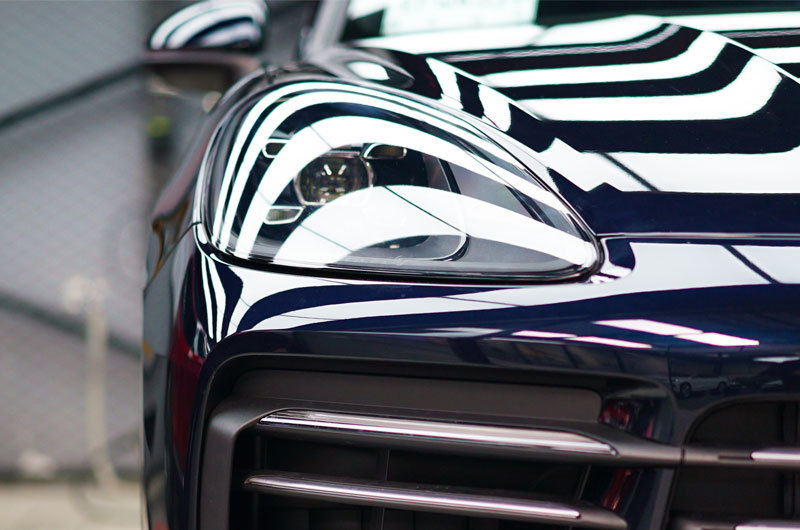
Enhancing Vehicle Longevity: The Benefits of Car Paint Protection Film
2026-08-02
Car paint protection film (PPF) has become an essential accessory for vehicle owners seeking to maintain the pristine condition of their automobiles. This transparent polyurethane film is designed to protect the paint surface from various environmental hazards, including scratches, chips, and UV rays. Understanding the benefits of installing paint protection film can help vehicle owners make infor
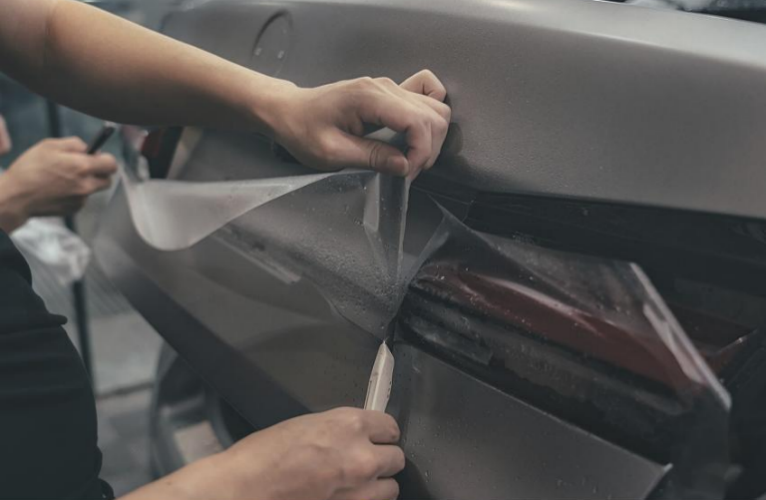
How Decorative Glass Film Can Effectively Reduce Glare and Heat
2026-07-26
How Decorative Glass Film Can Effectively Reduce Glare and Heat
Introduction to Decorative Glass Film
In the realm of architectural design and interior decoration, decorative glass film has emerged as a versatile solution to various challenges, particularly in managing glare and heat. As energy efficiency and user comfort become paramount in modern spaces, understanding the benefits and applicat
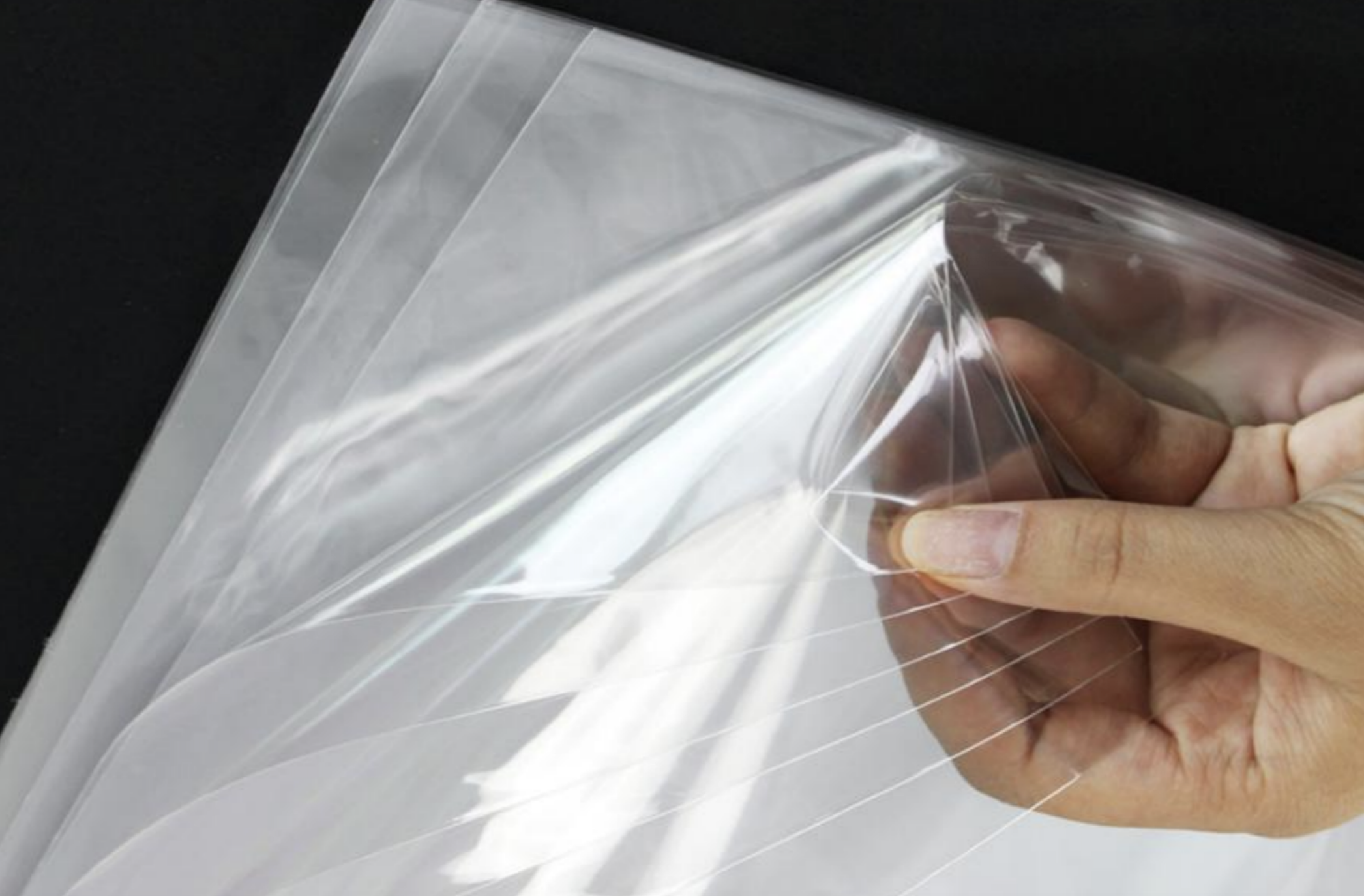
Understanding Clear Vinyl Paint Protection: Benefits and Applications
2026-07-19
Clear vinyl paint protection is a specialized solution designed to shield surfaces from environmental damage while preserving their original appearance. This protective film is composed of high-quality, transparent vinyl that adheres seamlessly to various surfaces, including vehicles, furniture, and electronic devices. One of the primary benefits of clear vinyl paint protection is its ability to p


