

Installation Tips for Car Interior Protection Film: A Step-by-Step Guide
2025-12-28
Installation Tips for Car Interior Protection Film: A Step-by-Step Guide
Car enthusiasts understand the importance of maintaining a pristine interior. From safeguarding the surfaces against wear and tear to enhancing resale value, **car interior protection film** has become an essential product. In this guide, we will walk through the process of installing car interior protection film seamlessly and effectively.
Table of Contents
- 1. Understanding Car Interior Protection Film
- 2. Benefits of Using Car Interior Protection Film
- 3. Types of Car Interior Protection Film
- 4. Essential Materials and Tools for Installation
- 5. Preparation Steps for Installation
- 6. Step-by-Step Installation Guide
- 7. Post-Installation Care and Maintenance
- 8. Common Issues and Troubleshooting
- 9. Frequently Asked Questions
- 10. Conclusion
1. Understanding Car Interior Protection Film
Car interior protection film is a transparent or tinted layer applied to various surfaces within the vehicle. It serves multiple purposes, including protection against scratches, UV rays, and stains. The film can be applied to dashboards, seats, and door panels, ensuring that these areas remain in top condition over time.
The material typically consists of a flexible polymer that adheres to surfaces without causing damage. This feature allows for easy application and removal, making it a popular choice among car owners aiming for longevity and durability in their vehicle interiors.
2. Benefits of Using Car Interior Protection Film
Installing car interior protection film comes with numerous advantages:
2.1 Protection Against Wear and Tear
The film acts as a barrier, shielding your car's surfaces from everyday use and potential damage. Whether it’s scratches from keys or scuff marks from shoes, the film absorbs the impact.
2.2 UV Resistance
Prolonged exposure to sunlight can fade upholstery and dashboards. A high-quality interior protection film offers UV protection, helping to maintain the aesthetic appeal of your vehicle.
2.3 Stain Resistance
Accidental spills can lead to permanent stains. The protective film is designed to be easy to clean, allowing for quick removal of spills without damaging the underlying material.
2.4 Enhanced Resale Value
A well-maintained interior can significantly boost a vehicle’s resale value. By using protection film, you keep your vehicle looking fresh, appealing to potential buyers.
2.5 Easy Installation and Removal
One of the appealing aspects of car interior protection film is its straightforward application process. Moreover, if you ever decide to remove it, the process is equally effortless, leaving no residue behind.
3. Types of Car Interior Protection Film
There are various types of car interior protection films available for different applications. Some of the most common types include:
3.1 Clear Protective Film
This film is virtually invisible and is designed to protect surfaces without altering their appearance. It's ideal for dashboards and door panels.
3.2 Tinted Protective Film
Offering UV protection, this film can enhance the aesthetic of your vehicle while providing similar protection as clear films.
3.3 Textured Films
These films come with a textured finish, providing a different look and feel while still offering protective qualities.
4. Essential Materials and Tools for Installation
Before starting the installation process, gather the following materials and tools:
4.1 Protection Film
Choose a high-quality protection film suitable for your car's interior. Brands may vary, so read reviews to find a reliable option.
4.2 Squeegee
A squeegee helps apply the film smoothly and removes air bubbles, ensuring a flawless finish.
4.3 Utility Knife
You’ll need a sharp utility knife for trimming the film to fit specific areas perfectly.
4.4 Cleaning Supplies
Use isopropyl alcohol and microfiber cloths to clean surfaces before applying the film.
4.5 Spray Bottle
A spray bottle filled with a mixture of water and a few drops of dish soap can help ease the installation process.
5. Preparation Steps for Installation
Preparation is crucial for a successful installation. Follow these steps:
5.1 Clean the Surfaces
Thoroughly clean the area where the film will be applied using isopropyl alcohol and a microfiber cloth. Ensure there’s no dust, dirt, or grease.
5.2 Measure and Cut the Film
Measure the area carefully and cut the film accordingly, leaving a little extra around the edges for adjustments.
5.3 Prepare the Application Solution
Mix water with a few drops of dish soap in a spray bottle. This solution will help position the film without it sticking permanently until you are ready.
6. Step-by-Step Installation Guide
Now that you have completed the preparation, let’s dive into the installation process:
6.1 Position the Film
Spray the area and the adhesive side of the film with the application solution. Position the film carefully over the surface.
6.2 Smooth Out the Film
Using a squeegee, start from the center and work your way outwards to eliminate air bubbles. Apply gentle pressure to ensure the film adheres well.
6.3 Trim the Excess Film
Once the film is in place, use a utility knife to trim any excess film along the edges for a clean finish.
6.4 Final Inspection
Inspect the installation for any air bubbles or imperfections. Use the squeegee to smooth out any problematic areas, ensuring a perfect fit.
7. Post-Installation Care and Maintenance
After completing the installation, proper care is essential to maintain the film's effectiveness:
7.1 Avoid Water Exposure
Do not wash the car or expose it to moisture for at least 48 hours post-installation. This allows the adhesive to bond properly.
7.2 Regular Cleaning
Use a mild cleaner and microfiber cloth to clean the film. Avoid abrasive cleaners that could damage the film.
7.3 Monitor for Damage
Regularly check for any peeling or damage to the film and address it immediately to prevent further issues.
8. Common Issues and Troubleshooting
Despite careful installation, you may encounter some common issues:
8.1 Air Bubbles
If you notice air bubbles after installation, gently lift the film and reapply using the squeegee to remove the trapped air.
8.2 Peeling Edges
If edges start to peel, it may be due to insufficient cleaning or application solution. Reseal the edges with a heat gun and squeegee.
8.3 Discoloration
Discoloration can result from exposure to harsh chemicals. Always use recommended cleaning products to maintain the film's clarity.
9. Frequently Asked Questions
9.1 How long does car interior protection film last?
High-quality films can last anywhere from 5 to 10 years, depending on usage and care.
9.2 Can I install the film myself?
Yes, with the right tools and preparation, many car owners can successfully install the film themselves.
9.3 Will the film damage my car's interior?
A high-quality film should not damage your car's interior when applied correctly.
9.4 Can the film be removed easily?
Yes, the film can be removed without leaving residue, provided it is done correctly.
9.5 Is the film waterproof?
While the film is resistant to water, it’s best to avoid excessive moisture during the curing period after installation.
10. Conclusion
Installing car interior protection film is a great way to prolong the life of your vehicle's interior while maintaining its aesthetic appeal. By following the outlined steps and tips in this guide, you can achieve a professional-quality installation that protects your vehicle for years. Whether you're looking to keep your car looking new or enhance its resale value, investing in quality protection film is a decision that pays off in the long run.
Enhancing Vehicle Longevity: The Benefits of Car Paint Protection Film
2026-08-02
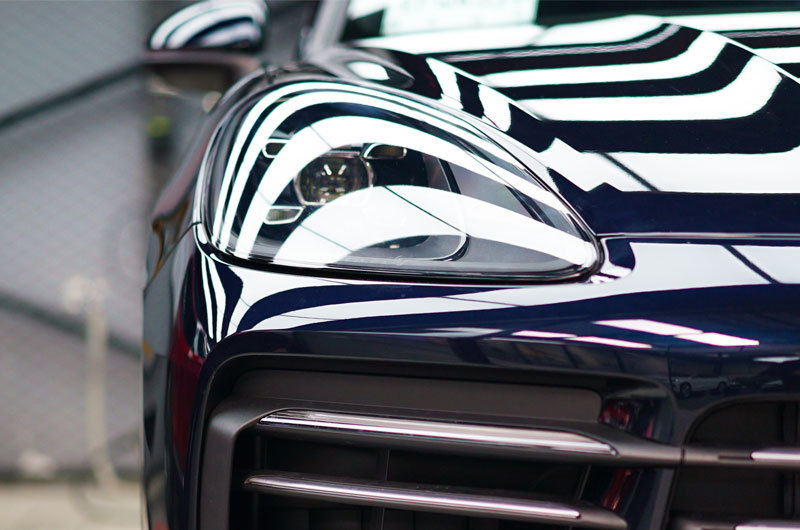
Car paint protection film (PPF) has become an essential accessory for vehicle owners seeking to maintain the pristine condition of their automobiles. This transparent polyurethane film is designed to protect the paint surface from various environmental hazards, including scratches, chips, and UV rays. Understanding the benefits of installing paint protection film can help vehicle owners make infor
How Decorative Glass Film Can Effectively Reduce Glare and Heat
2026-07-26
How Decorative Glass Film Can Effectively Reduce Glare and Heat
Introduction to Decorative Glass Film
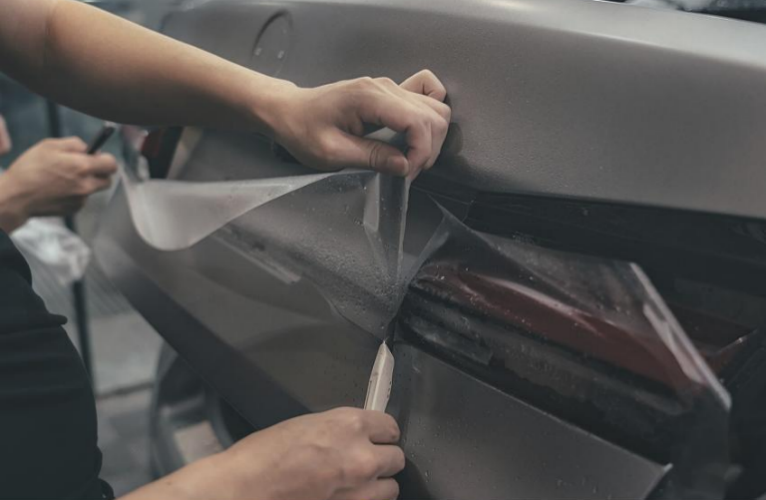
In the realm of architectural design and interior decoration, decorative glass film has emerged as a versatile solution to various challenges, particularly in managing glare and heat. As energy efficiency and user comfort become paramount in modern spaces, understanding the benefits and applicat
Understanding Clear Vinyl Paint Protection: Benefits and Applications
2026-07-19
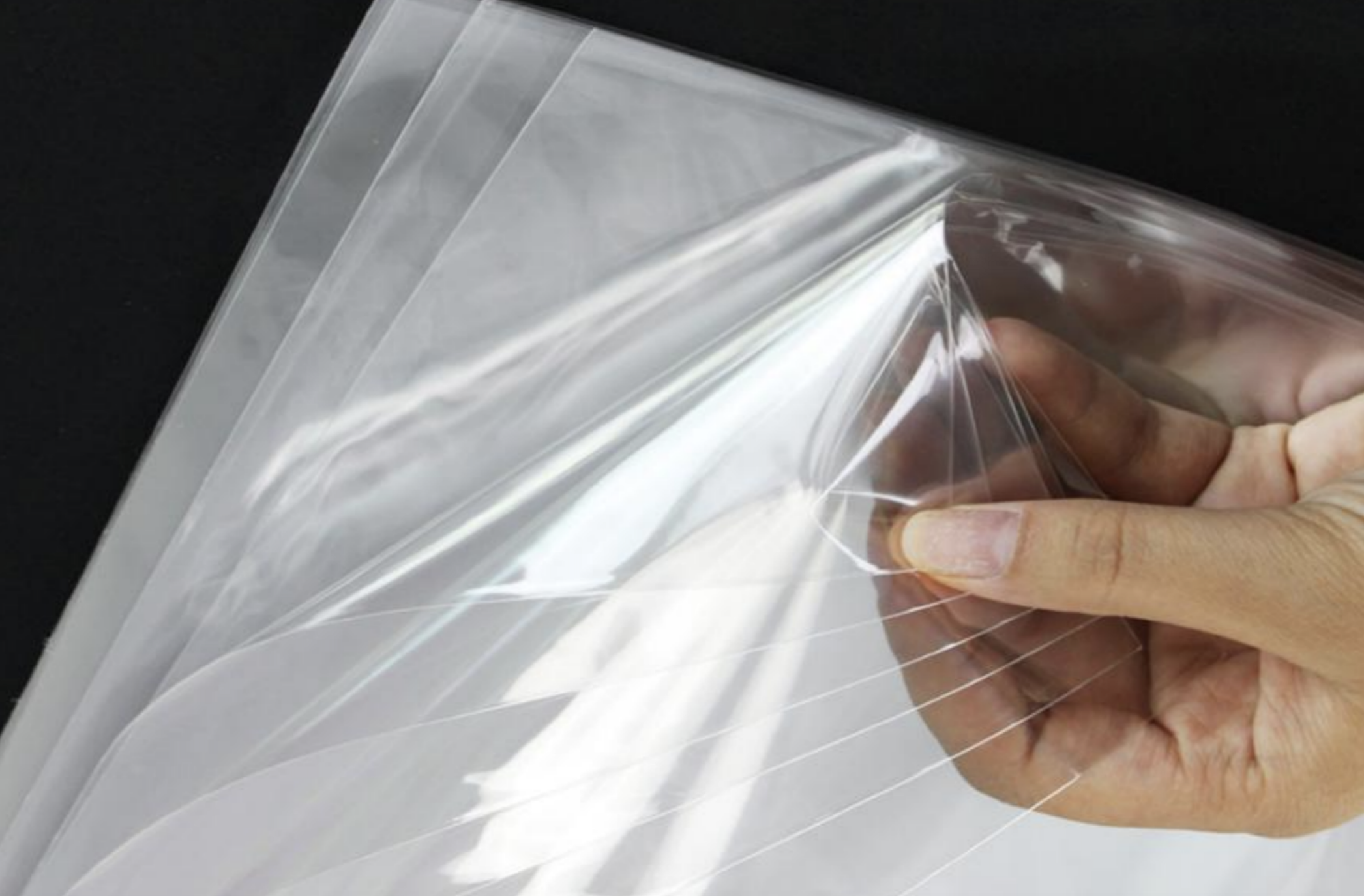
Clear vinyl paint protection is a specialized solution designed to shield surfaces from environmental damage while preserving their original appearance. This protective film is composed of high-quality, transparent vinyl that adheres seamlessly to various surfaces, including vehicles, furniture, and electronic devices. One of the primary benefits of clear vinyl paint protection is its ability to p


