

Is Commercial Window Tint the Key to Lowering Your Energy Bills?
2026-01-11
Is Commercial Window Tint the Key to Lowering Your Energy Bills?
Table of Contents
- 1. Introduction
- 2. Understanding Commercial Window Tint
- 3. How Window Tint Works to Reduce Energy Costs
- 4. Benefits of Commercial Window Tint
- 5. Types of Commercial Window Tints
- 6. Installation Process of Commercial Window Tint
- 7. Costs and Return on Investment
- 8. Frequently Asked Questions
- 9. Conclusion
1. Introduction
In the contemporary business landscape, **high energy bills** pose a significant challenge for commercial property owners. With rising energy costs and a growing emphasis on sustainability, finding effective solutions to minimize overhead expenses becomes crucial. One innovative approach gaining traction is the installation of **commercial window tint**. This article delves into the effectiveness of window tint in reducing energy consumption and overall costs, while enhancing the comfort and aesthetics of your workspace.
2. Understanding Commercial Window Tint
Commercial window tint refers to the application of a thin film on glass surfaces in commercial buildings to improve thermal performance and reduce light transmission. This film is designed to reflect heat, block harmful UV rays, and reduce glare, which can contribute to a more comfortable indoor environment. By understanding the basic mechanics of window tint, property owners can make informed decisions about its benefits and applications in energy reduction.
3. How Window Tint Works to Reduce Energy Costs
When sunlight enters a building, a substantial amount of heat and UV radiation penetrates through windows, causing indoor temperatures to rise. This increase in temperature leads to higher energy consumption as HVAC systems work overtime to maintain a comfortable atmosphere. **Commercial window tint** functions by reflecting a percentage of this solar energy away from the glass surface. This process significantly lowers the amount of heat that enters the building, thus reducing reliance on air conditioning systems.
The effectiveness of window tinting can vary based on several factors, including the type of tint chosen, the orientation of the windows, and the overall climate. However, **many studies** have shown that well-installed window film can reduce solar heat gain by up to **80%**, leading to substantial energy savings over time.
4. Benefits of Commercial Window Tint
The advantages of installing commercial window tint extend beyond energy savings. Here, we break down the core benefits businesses can expect.
4.1 Energy Efficiency
The primary benefit of window tinting is its ability to enhance energy efficiency. By blocking excess heat, businesses can maintain a consistent indoor temperature, which directly translates into lower energy bills. This is particularly beneficial during peak summer months when cooling costs can skyrocket.
4.2 Reduced Glare
Glare from sunlight can be a significant distraction in the workplace, affecting productivity and comfort. Commercial window tint helps reduce glare, creating a more visually comfortable environment for employees and clients alike.
4.3 Enhanced Privacy
Window tint provides an added layer of privacy without sacrificing natural light. This is especially important for businesses located in urban areas where foot traffic is high. Tinted windows can prevent outsiders from seeing inside, safeguarding sensitive information or activities.
4.4 UV Protection
In addition to heat control, window tint effectively blocks up to **99% of harmful UV rays**. This protection is vital for preserving furniture, flooring, and artwork from fading while also lowering the risk of skin damage for those working in the space.
5. Types of Commercial Window Tints
Choosing the right type of window tint for your commercial property is crucial for maximizing benefits. Here are the most common types available:
5.1 Reflective Tints
Reflective tints are designed to reflect a significant amount of sunlight and heat away from the building, making them ideal for hot climates. These tints often have a shiny finish, which can also enhance the aesthetics of the building.
5.2 Dyed Tints
Dyed tints absorb sunlight rather than reflecting it, helping to reduce glare and heat. While they may not be as effective in energy savings as reflective tints, they provide excellent UV protection and privacy.
5.3 Ceramic Tints
Ceramic tints are a more advanced option, combining the benefits of both reflective and dyed tints. They offer superior heat rejection without sacrificing visibility. Ceramic films are also less likely to fade over time, making them a long-lasting investment.
6. Installation Process of Commercial Window Tint
The installation of commercial window tint requires careful planning and execution. Here’s a step-by-step guide:
1. **Assessment**: A professional installer will assess the windows to determine the most suitable type of tint based on the building's orientation and specific needs.
2. **Preparation**: The windows must be thoroughly cleaned and prepped to ensure proper adhesion of the tint film.
3. **Measurement**: Accurate measurements of each window are taken to cut the film to the appropriate size.
4. **Application**: The tint is applied to the interior side of the window, and any air bubbles are carefully smoothed out.
5. **Curing**: After installation, the film requires time to cure, which can take several days depending on humidity and temperature.
It's essential to hire experienced professionals for installation to ensure optimal performance and durability of the window tint.
7. Costs and Return on Investment
The initial cost of commercial window tinting can vary widely depending on several factors, including the size of the windows, type of tint chosen, and labor costs. Typically, installation costs can range from **$5 to $15 per square foot**.
While this may seem significant upfront, the long-term savings on energy bills can result in a **return on investment** within a few years. Many businesses report energy savings of **up to 30%** per month following installation, leading to substantial annual savings.
8. Frequently Asked Questions
Q1: How long does window tint last?
A: Quality commercial window tints can last between **10 to 20 years**, depending on the type of film and environmental conditions.
Q2: Can window tint be removed?
A: Yes, window tint can be professionally removed, although it may require specific techniques to avoid damaging the window glass.
Q3: Does window tint affect visibility at night?
A: Some window tints may reduce visibility at night, but most high-quality films are designed to maintain a clear view both day and night.
Q4: Will window tint block all UV rays?
A: While most window tints block a significant percentage of UV rays, no film can block 100% of UV radiation.
Q5: Is it legal to install window tint in commercial buildings?
A: Yes, but it's essential to check local regulations regarding the maximum allowable tint darkness and reflectivity for commercial properties.
9. Conclusion
In summary, **commercial window tint** presents a compelling solution for businesses seeking to reduce high energy bills while enhancing comfort and aesthetics. With its array of benefits—from energy efficiency to UV protection—window tinting is an intelligent investment for any commercial property owner. By understanding the types of window tints available and the installation process, businesses can make informed decisions that lead to long-term savings and improved workplace environments. As energy costs continue to rise, now is the perfect time to explore window tinting as a viable option for lowering expenses and boosting productivity.

Enhancing Vehicle Longevity: The Benefits of Car Paint Protection Film
2026-08-02
Car paint protection film (PPF) has become an essential accessory for vehicle owners seeking to maintain the pristine condition of their automobiles. This transparent polyurethane film is designed to protect the paint surface from various environmental hazards, including scratches, chips, and UV rays. Understanding the benefits of installing paint protection film can help vehicle owners make infor

How Decorative Glass Film Can Effectively Reduce Glare and Heat
2026-07-26
How Decorative Glass Film Can Effectively Reduce Glare and Heat
Introduction to Decorative Glass Film
In the realm of architectural design and interior decoration, decorative glass film has emerged as a versatile solution to various challenges, particularly in managing glare and heat. As energy efficiency and user comfort become paramount in modern spaces, understanding the benefits and applicat
Understanding Clear Vinyl Paint Protection: Benefits and Applications
2026-07-19
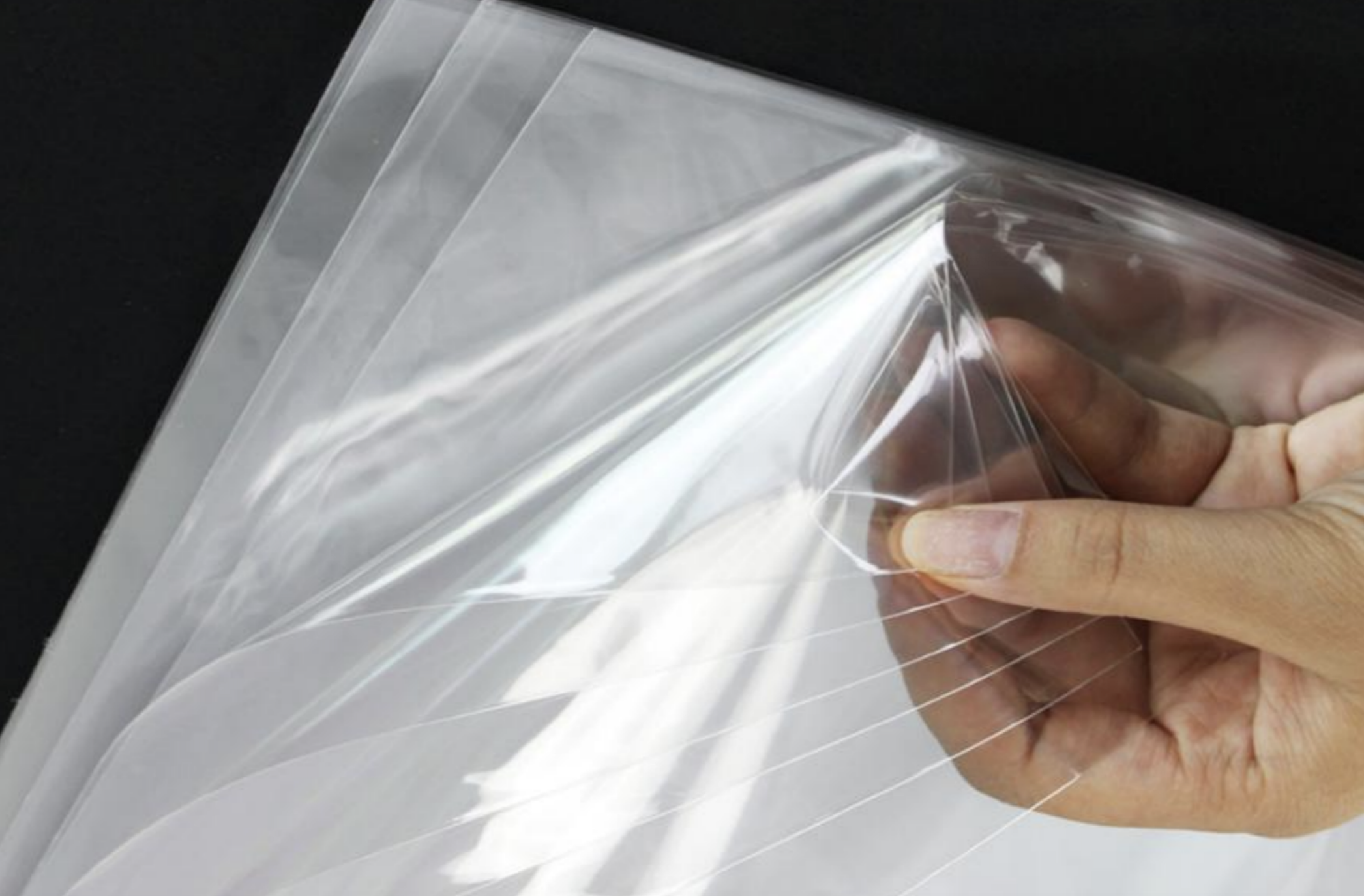
Clear vinyl paint protection is a specialized solution designed to shield surfaces from environmental damage while preserving their original appearance. This protective film is composed of high-quality, transparent vinyl that adheres seamlessly to various surfaces, including vehicles, furniture, and electronic devices. One of the primary benefits of clear vinyl paint protection is its ability to p


