

Car Interior Protection Film vs. Traditional Upholstery: Which is Best?
2026-04-19
Car Interior Protection Film vs. Traditional Upholstery: Which is Best?
When it comes to safeguarding your vehicle's interior, the choice between **car interior protection film** and **traditional upholstery** can be daunting. Each option offers unique benefits and challenges, making it essential to understand how they compare. This article delves deeply into both options, providing a comprehensive overview to help you determine which is the best fit for your needs.
Table of Contents
- Introduction
- Understanding Car Interior Protection Film
- Advantages of Car Interior Protection Film
- Disadvantages of Car Interior Protection Film
- Exploring Traditional Upholstery
- Advantages of Traditional Upholstery
- Disadvantages of Traditional Upholstery
- Cost Comparison
- Installation Process
- Maintenance and Care
- Environmental Considerations
- Conclusion
- FAQs
Introduction
As car enthusiasts, we understand that maintaining the aesthetic appeal and functionality of your vehicle's interior is paramount. With the advancement of technology, options have expanded beyond traditional fabrics and materials. **Car interior protection film** has emerged as a popular alternative, leading to debates about its effectiveness compared to traditional upholstery. In this article, we will analyze both options, considering their features, benefits, and any potential downsides.
Understanding Car Interior Protection Film
**Car interior protection film** is a transparent, durable layer designed to protect your vehicle's interior surfaces, including seats, dashboard, and door panels. Made from high-quality materials, this film acts as a barrier against dirt, spills, and scratches. It is often favored for its minimalistic appearance, allowing the original beauty of the upholstery to shine through while offering essential protection.
Types of Car Interior Protection Film
There are several types of car interior protection films available in the market:
- **Polyurethane Film**: Known for its durability and flexibility.
- **Vinyl Film**: Offers a variety of finishes and colors, catering to diverse aesthetic preferences.
- **Self-Healing Film**: Designed to "heal" minor scratches and scuffs over time, maintaining its appearance.
Advantages of Car Interior Protection Film
1. **Enhanced Protection**: The primary function of car interior protection film is to shield against spills, stains, and abrasion, ensuring your interior remains in excellent condition for longer.
2. **Easy to Clean**: Unlike traditional upholstery, which may require special cleaning agents, protection film can be easily wiped down with a damp cloth.
3. **Aesthetic Appeal**: The transparent nature of the film allows your original upholstery to remain visible, giving your car a fresh look without altering its color or texture.
4. **UV Resistance**: Many protection films are designed to resist UV rays, preventing fading and discoloration due to sun exposure.
5. **Cost-Effective Over Time**: Investing in protection film can save you money on repairs and replacements in the long run by preserving the original condition of your upholstery.
Disadvantages of Car Interior Protection Film
Despite its benefits, there are some drawbacks to consider:
1. **Initial Investment**: The upfront cost of purchasing and installing protection film can be higher than traditional upholstery options.
2. **Potential for Bubbles**: If not installed correctly, the film may develop air bubbles or wrinkles, compromising its aesthetic appeal.
3. **Limited Color Options**: While the transparent nature is a plus, it may lack the variety of colors and textures offered by traditional upholstery.
Exploring Traditional Upholstery
**Traditional upholstery** refers to the various fabric options used to cover car seats and interiors, including leather, fabric, and synthetic materials. Each type offers unique benefits, catering to different consumer preferences.
Common Upholstery Materials
1. **Leather**: Luxurious and durable, leather is often viewed as a premium option that adds elegance to a vehicle.
2. **Fabric**: More affordable and available in a wide range of colors and patterns, fabric upholstery can provide comfort and style.
3. **Synthetic Materials**: Designed to mimic the appearance of leather or fabric, synthetic options offer the look without the maintenance hassles.
Advantages of Traditional Upholstery
1. **Variety of Choices**: With numerous colors, textures, and materials available, traditional upholstery allows for extensive customization to match personal preferences.
2. **Comfort**: Many consumers find traditional upholstery, particularly high-quality fabric, to be more comfortable, especially on long drives.
3. **Repairability**: In case of damage, traditional upholstery can often be repaired or replaced more easily than protection film, which might require full replacement if damaged.
Disadvantages of Traditional Upholstery
1. **Staining and Wear**: Traditional fabrics are prone to stains and wear over time, requiring regular maintenance to keep them looking new.
2. **Higher Maintenance**: Depending on the material, upholstery might require special cleaners and techniques to maintain its appearance.
3. **Cost of Replacement**: If the upholstery becomes severely damaged, the cost of replacement can be significant, especially with premium materials like leather.
Cost Comparison
When evaluating options, it is essential to consider the costs associated with both **car interior protection film** and **traditional upholstery**.
- **Initial Costs**: The installation of protection film typically ranges from $300 to $800, depending on the quality and type, while reupholstering a vehicle can cost anywhere from $1,000 to $5,000 or more.
- **Long-term Costs**: Protection film, while initially more expensive, may save money over time by reducing wear and tear, whereas traditional upholstery might incur costs for regular cleaning and eventual replacement.
Installation Process
**Car Interior Protection Film**:
- **Preparation**: The surfaces must be cleaned thoroughly to ensure proper adhesion.
- **Cutting and Fitting**: The film is carefully cut to match the dimensions of the specific areas being protected.
- **Application**: The film is applied, often using a heat gun to eliminate bubbles and ensure a smooth finish.
**Traditional Upholstery**:
- **Removal**: The old upholstery is removed, exposing the underlying materials.
- **Measuring and Cutting**: New upholstery is measured and cut to fit the specific parts of the vehicle.
- **Installation**: The new material is stretched and secured into place, often involving stitching or the use of adhesives.
Maintenance and Care
Maintaining both options requires different approaches:
- **Car Interior Protection Film**: Regular cleaning with a damp cloth is usually sufficient. Avoid harsh chemicals that may damage the film.
- **Traditional Upholstery**: Depending on the material, regular vacuuming, spot cleaning, and occasional deep cleaning may be necessary to preserve its appearance.
Environmental Considerations
As consumers become more environmentally conscious, it's essential to consider the ecological impact of your choices:
- **Car Interior Protection Film**: Many films are made from recyclable materials, and their longevity can reduce the need for frequent replacements.
- **Traditional Upholstery**: The environmental impact largely depends on the materials used. Natural fibers may be more sustainable, while synthetic materials can have a higher ecological footprint.
Conclusion
Choosing between **car interior protection film** and **traditional upholstery** ultimately depends on your specific needs, preferences, and budget. Protection film excels in providing a durable barrier against damage while maintaining the original look of your car's interior. On the other hand, traditional upholstery offers a range of aesthetic options and comfort levels.
By weighing the advantages and disadvantages of each option, as well as considering long-term costs and maintenance, you can make an informed decision that best suits your lifestyle and driving habits.
FAQs
1. **How long does car interior protection film last?**
- Depending on the material and environmental conditions, car interior protection film can last anywhere from 5 to 10 years.
2. **Can I install car interior protection film myself?**
- While DIY installation is possible, professional installation is recommended to ensure a smooth finish without bubbles or wrinkles.
3. **Is traditional upholstery more comfortable than protection film?**
- Traditional upholstery generally provides a more plush and cozy feel compared to the smooth surface of protection film.
4. **Can I use regular cleaning products on car interior protection film?**
- It is best to use mild, non-abrasive cleaners to prevent damage to the film.
5. **How do I know if I need to reupholster my car?**
- Signs that reupholstering is needed include visible tears, significant stains, or an overall worn appearance that cleaning cannot remedy.
By understanding the nuances of both **car interior protection film** and **traditional upholstery**, we can make informed decisions that enhance and protect our vehicles for years to come.
Enhancing Vehicle Longevity: The Benefits of Car Paint Protection Film
2026-08-02
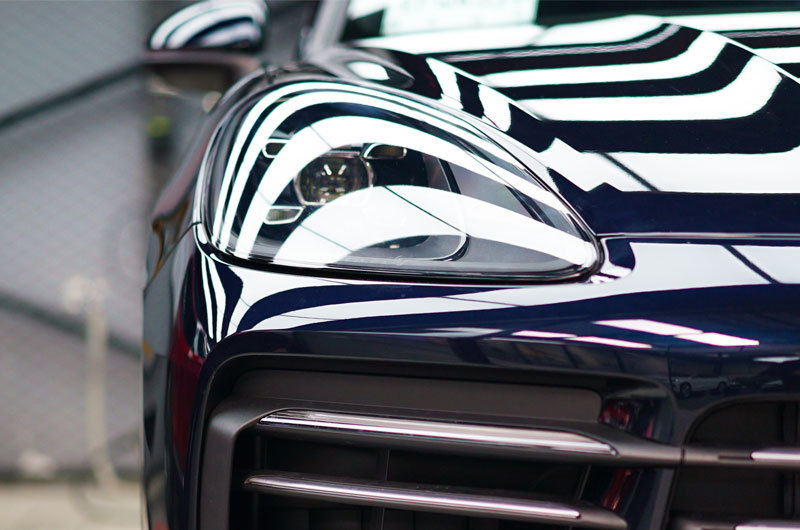
Car paint protection film (PPF) has become an essential accessory for vehicle owners seeking to maintain the pristine condition of their automobiles. This transparent polyurethane film is designed to protect the paint surface from various environmental hazards, including scratches, chips, and UV rays. Understanding the benefits of installing paint protection film can help vehicle owners make infor
How Decorative Glass Film Can Effectively Reduce Glare and Heat
2026-07-26
How Decorative Glass Film Can Effectively Reduce Glare and Heat
Introduction to Decorative Glass Film
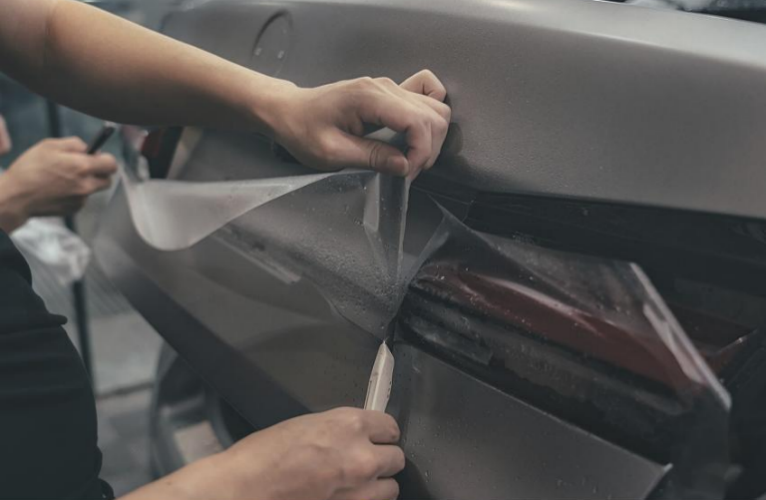
In the realm of architectural design and interior decoration, decorative glass film has emerged as a versatile solution to various challenges, particularly in managing glare and heat. As energy efficiency and user comfort become paramount in modern spaces, understanding the benefits and applicat
Understanding Clear Vinyl Paint Protection: Benefits and Applications
2026-07-19
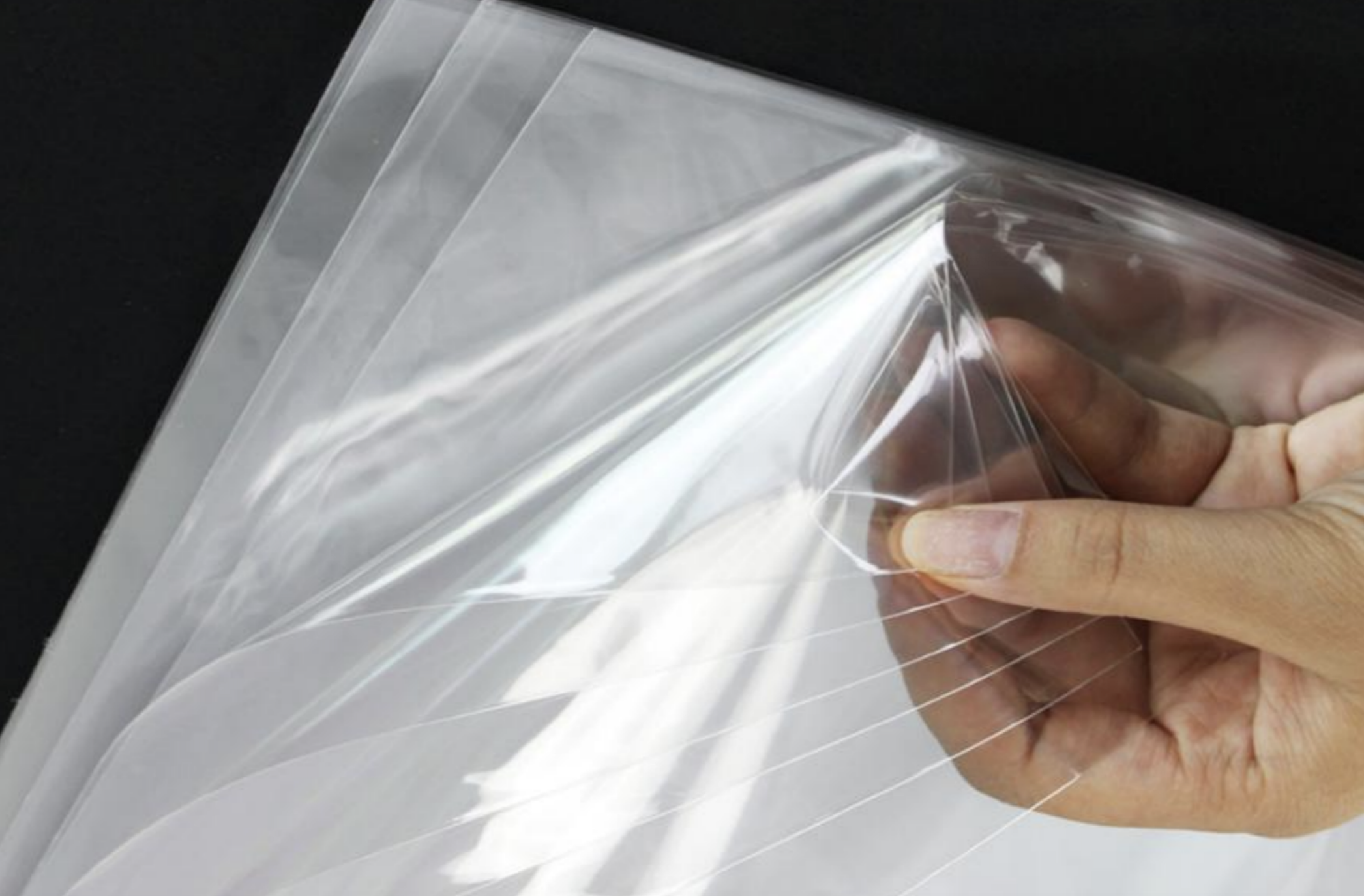
Clear vinyl paint protection is a specialized solution designed to shield surfaces from environmental damage while preserving their original appearance. This protective film is composed of high-quality, transparent vinyl that adheres seamlessly to various surfaces, including vehicles, furniture, and electronic devices. One of the primary benefits of clear vinyl paint protection is its ability to p


