

How Commercial Window Tinting Can Enhance Employee Productivity
2026-05-03
How Commercial Window Tinting Can Enhance Employee Productivity
Introduction to Commercial Window Tinting
In today’s competitive business landscape, maintaining optimal employee productivity is crucial. One innovative solution that many companies are turning to is **commercial window tinting**. This process involves applying a thin film to windows that can provide a multitude of benefits, from glare reduction to energy efficiency improvements. Understanding how these advantages can translate into increased productivity is essential for any business owner or facility manager.
The Connection Between Work Environment and Employee Productivity
A conducive work environment significantly impacts employee performance. Factors such as lighting, temperature, and overall aesthetics play a vital role in how employees feel and function throughout the day. Commercial window tinting addresses several of these elements, making a noticeable difference in workplace dynamics.
How Natural Light Influences Productivity
Natural light is a double-edged sword. While it can boost mood and energy levels, excessive sunlight can lead to glare and discomfort. Window tinting helps to **balance natural light**, reducing harsh rays while allowing sufficient illumination. Studies indicate that workplaces with optimal lighting experience enhanced focus, creativity, and overall productivity.
The Role of Temperature Control in the Workplace
Temperature fluctuations can hinder employee focus. Commercial window tinting can assist in regulating indoor temperatures by blocking ultraviolet rays that cause heat buildup. By maintaining a comfortable environment, companies can ensure that their employees remain focused and engaged, ultimately enhancing productivity.
Benefits of Commercial Window Tinting
The advantages of commercial window tinting extend beyond aesthetics. Here are some significant benefits that contribute directly to employee productivity:
1. Glare Reduction
Excessive glare from the sun can be distracting and uncomfortable for employees, particularly those working with screens. Commercial window tinting effectively reduces glare, allowing for a more visually comfortable environment. By minimizing distractions, employees can maintain their focus on tasks, leading to increased output.
2. Improved Energy Efficiency
Energy costs are a significant concern for many businesses. Commercial window tinting helps regulate temperature, reducing the need for air conditioning. This not only lowers energy bills but also contributes to a more sustainable work environment. Employees can work in a temperature-stable setting, which is conducive to productivity.
3. Increased Privacy and Security
In open-plan offices, privacy can be a concern. Window tinting provides an additional layer of privacy, allowing employees to work without feeling exposed. This can enhance comfort levels and promote a sense of safety, further encouraging productivity.
4. Enhanced Aesthetics
An aesthetically pleasing workplace can significantly affect employee morale. Window tinting can give a sleek and modern look to office buildings, making spaces feel more professional and inviting. A well-designed work environment can motivate employees to perform at their best.
5. UV Protection
Ultraviolet rays can cause skin damage and fade furnishings, leading to costly replacements. Window tinting blocks up to 99% of UV rays, protecting both employees and office assets. A safer and healthier environment contributes positively to employee satisfaction and productivity.
Types of Commercial Window Tinting
There are several types of commercial window tinting films available, each catering to different needs and preferences. Understanding these options can help businesses choose the right film for their specific requirements.
1. Reflective Films
Reflective films are designed to reflect sunlight away from the building, providing superior heat rejection. This type of tinting is ideal for companies looking to enhance energy efficiency while maintaining privacy.
2. Non-Reflective Films
Non-reflective films are perfect for offices desiring a clear view without sacrificing glare reduction. These films are often used in environments where maintaining an external appearance is crucial.
3. Ceramic Films
Ceramic window films offer high-performance heat rejection without any metallic components, ensuring that electronic devices are not affected by interference. This option is ideal for technology-driven businesses.
4. Decorative Films
For businesses focused on aesthetics, decorative window films can enhance the visual appeal of office spaces while providing some level of privacy. These films come in various designs and patterns, allowing for creative expression.
Implementing Commercial Window Tinting
When considering commercial window tinting, it's crucial to follow a structured approach to ensure you achieve the desired results.
1. Assess Your Needs
Begin by assessing your office environment and identifying specific issues related to light, temperature, and privacy. Understanding these factors will help you choose the right type of film that meets your needs.
2. Choose a Reputable Installer
Selecting an experienced and reputable window tinting installer is vital to achieving optimal results. Look for professionals with positive reviews and a portfolio of completed projects.
3. Consider Local Regulations
Some regions have specific regulations regarding the types and levels of window tinting allowed. Ensure that your chosen tint complies with local laws to avoid potential issues.
Frequently Asked Questions
1. How much does commercial window tinting cost?
The cost of commercial window tinting varies based on the type of film, the size of the windows, and the complexity of the installation. On average, businesses can expect to pay between $5 to $15 per square foot.
2. How long does window tinting last?
High-quality commercial window tinting can last between 10 to 20 years, depending on environmental conditions and care. Regular maintenance can extend the lifespan of the tint.
3. Can window tinting affect indoor plants?
Most window tints are designed to minimize UV exposure, which can actually be beneficial for indoor plants. However, it's essential to select the right type of tint to ensure that sufficient light reaches your plants.
4. Is window tinting removable?
Yes, window tinting can be removed, although it may require professional assistance to avoid damaging the glass. If you plan to change your tint in the future, ensure your installer uses a removable product.
5. Will window tinting affect my views?
Many modern window films are designed to maintain visibility while reducing glare and heat. Non-reflective films, in particular, provide clear views without sacrificing comfort.
Conclusion
Investing in commercial window tinting is a strategic move for companies looking to enhance employee productivity. By addressing issues like glare, temperature, privacy, and aesthetics, businesses can create a workspace that fosters focus and efficiency. As the landscape of workplace design continues to evolve, window tinting stands out as a simple yet effective solution that can yield significant benefits for both employees and employers alike. Embrace the change and consider how commercial window tinting can transform your office environment for the better.

Enhancing Vehicle Longevity: The Benefits of Car Paint Protection Film
2026-08-02
Car paint protection film (PPF) has become an essential accessory for vehicle owners seeking to maintain the pristine condition of their automobiles. This transparent polyurethane film is designed to protect the paint surface from various environmental hazards, including scratches, chips, and UV rays. Understanding the benefits of installing paint protection film can help vehicle owners make infor

How Decorative Glass Film Can Effectively Reduce Glare and Heat
2026-07-26
How Decorative Glass Film Can Effectively Reduce Glare and Heat
Introduction to Decorative Glass Film
In the realm of architectural design and interior decoration, decorative glass film has emerged as a versatile solution to various challenges, particularly in managing glare and heat. As energy efficiency and user comfort become paramount in modern spaces, understanding the benefits and applicat
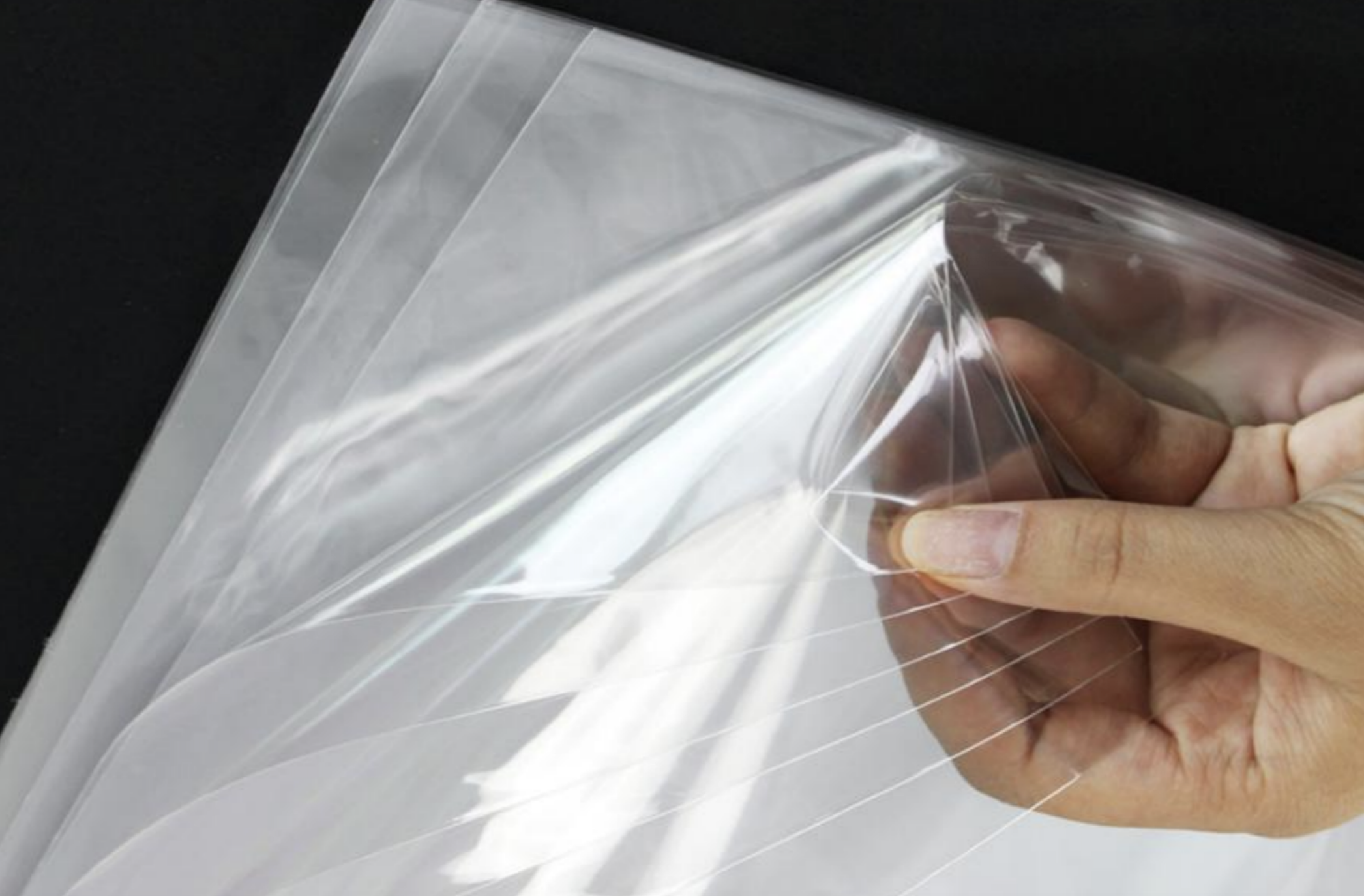
Understanding Clear Vinyl Paint Protection: Benefits and Applications
2026-07-19
Clear vinyl paint protection is a specialized solution designed to shield surfaces from environmental damage while preserving their original appearance. This protective film is composed of high-quality, transparent vinyl that adheres seamlessly to various surfaces, including vehicles, furniture, and electronic devices. One of the primary benefits of clear vinyl paint protection is its ability to p


