

The Science Behind UV Blocking Window Film for Automotive Use
2026-06-14
The Science Behind UV Blocking Window Film for Automotive Use
Table of Contents
1. Understanding UV Radiation and Its Effects on Vehicles
2. What is UV Blocking Window Film?
3. How UV Blocking Window Film Works
4. The Benefits of Using UV Blocking Window Film
4.1. Interior Protection
4.2. Enhanced Comfort and Temperature Control
4.3. Improved Safety Features
5. Types of UV Blocking Window Films
5.1. Metallized Films
5.2. Dyed Films
5.3. Ceramic Films
5.4. Photovoltaic Films
6. Installation Process of UV Blocking Window Film
7. Maintenance and Care for Window Film
8. Frequently Asked Questions (FAQs)
9. Conclusion
1. Understanding UV Radiation and Its Effects on Vehicles
Ultraviolet (UV) radiation is a form of electromagnetic radiation emitted by the sun. It is categorized into three types: UVA, UVB, and UVC. Of these, UVA and UVB rays are most concerning for vehicle owners. UVA rays are known for penetrating deep into the skin and are responsible for premature aging and skin cancer, while UVB rays can cause sunburn and are linked to skin cancer as well.
When we consider vehicles, prolonged exposure to UV rays can lead to significant damage. The upholstery, dashboard, and other interior materials can fade or degrade over time, diminishing the aesthetic appeal and overall value of the vehicle. Understanding the harmful effects of UV radiation is the first step toward protecting your vehicle through effective measures such as UV blocking window film.
2. What is UV Blocking Window Film?
UV blocking window film is a specialized layer applied to vehicle windows designed to filter out harmful UV radiation while allowing visible light to pass through. These films can vary in thickness, color, and performance characteristics, providing a versatile solution for automotive sun protection. The primary function of these films is to reduce the amount of UV rays coming into the vehicle, helping to safeguard both occupants and the interior surfaces.
While some car windows offer limited UV protection, factory tints often do not block out all harmful rays. Therefore, UV blocking window film serves as an additional layer of defense against UV radiation, ensuring a safer and more pleasant driving experience.
3. How UV Blocking Window Film Works
The technology behind UV blocking window films is fascinating. These films are designed using various materials and coatings that absorb, reflect, or scatter UV rays. The effectiveness of the film is measured by its UV rejection percentage, which indicates how much UV radiation it blocks. High-quality films can block up to 99% of UV rays, significantly reducing harmful exposure.
Most UV blocking films are composed of polyester and other materials. During the manufacturing process, they undergo a process where UV absorbers are infused into the film, making it capable of filtering UV radiation efficiently. Additionally, some films may have metallic particles that further enhance their UV blocking capabilities.
4. The Benefits of Using UV Blocking Window Film
Utilizing UV blocking window film for automotive applications offers numerous benefits, enhancing both the longevity of your vehicle and the comfort of its occupants.
4.1. Interior Protection
One of the most significant advantages of UV blocking window film is the protection it provides for your vehicle's interior. By blocking harmful UV rays, the film prevents fading and deterioration of upholstery, dashboard, and other materials. This not only helps maintain the aesthetic appeal of your vehicle but also preserves its resale value.
4.2. Enhanced Comfort and Temperature Control
UV blocking window films contribute to a more comfortable driving experience by reducing heat buildup inside the vehicle. The film reflects a considerable amount of solar energy, keeping the interior cooler on hot days. This leads to less reliance on air conditioning, promoting fuel efficiency and providing better energy conservation.
4.3. Improved Safety Features
In addition to UV protection, window films can enhance safety. Certain UV blocking films provide shatter resistance, preventing glass from breaking apart upon impact. This added layer of protection can be particularly beneficial in the event of an accident or vandalism.
5. Types of UV Blocking Window Films
There are various types of UV blocking window films available in the market, each designed to cater to specific needs and preferences. Understanding these options will help you make an informed decision.
5.1. Metallized Films
Metallized films contain tiny metallic particles that enhance their ability to reflect UV rays and solar heat. These films often provide excellent glare reduction and privacy while maintaining visibility. However, they may interfere with electronic devices due to the presence of metal.
5.2. Dyed Films
Dyed films are a more affordable option, utilizing dyes to absorb solar energy and reduce heat. While they provide adequate UV protection, they tend to fade over time and may not offer the same level of longevity as metallized or ceramic films.
5.3. Ceramic Films
Ceramic films are among the most advanced options available. They utilize ceramic technology to filter UV rays and infrared heat while maintaining clear visibility. These films do not interfere with electronic signals and are often regarded as the best choice for high-performance vehicles.
5.4. Photovoltaic Films
Photovoltaic films are specially designed to harness solar energy, converting it into electricity. This innovative technology can power various vehicle functions, including lights and infotainment systems. While they serve a dual purpose, they may be less common in standard automotive applications.
6. Installation Process of UV Blocking Window Film
Installing UV blocking window film requires precision and skill. It is advisable to consult a professional installer to ensure the best results. The installation process generally follows these steps:
1. **Preparation**: Ensure the vehicle windows are clean and free from any debris. This step is crucial for optimal adhesion.
2. **Measurement**: Accurate measurements of the windows are taken to cut the film to the necessary size.
3. **Cutting the Film**: The film is carefully cut to fit the dimensions of the windows, allowing for slight overhangs for precise installation.
4. **Application**: The film is applied using a special adhesive. This process may involve the use of a heat gun to ensure proper adherence.
5. **Trimming**: Excess film is trimmed for a perfect fit, and any air bubbles are smoothed out to ensure a seamless appearance.
6. **Curing**: The film needs time to cure, which may take several days. During this time, it's essential to avoid rolling down the windows to prevent damage.
7. Maintenance and Care for Window Film
Proper maintenance of UV blocking window film is essential to ensure its longevity. Here are some tips for keeping your window film in excellent condition:
- **Cleaning**: Use a mild soap solution and a soft microfiber cloth to clean the windows. Avoid abrasive cleaners that can scratch the film.
- **Avoiding High Temperatures**: Refrain from leaving the vehicle in direct sunlight for extended periods, as excessive heat can damage the film’s adhesive.
- **Regular Inspections**: Periodically inspect the film for any signs of peeling or bubbling, addressing issues promptly to prevent further damage.
8. Frequently Asked Questions (FAQs)
Q1: How long does UV blocking window film last?
A1: High-quality UV blocking window films can last anywhere from 5 to 15 years, depending on factors such as film type and climate conditions.
Q2: Will UV blocking window film affect visibility at night?
A2: No, most quality UV blocking films are designed to maintain clear visibility, ensuring safe driving conditions during night-time.
Q3: Can I install UV blocking window film myself?
A3: While DIY installation is possible, professional installation is recommended for the best results and to avoid errors.
Q4: Is UV blocking window film expensive?
A4: The cost varies based on the type of film and the size of the vehicle. It's typically viewed as an investment due to the long-term benefits it provides.
Q5: Can UV blocking window film be removed later?
A5: Yes, UV blocking window films can be removed, but it’s best to have a professional handle the removal to avoid damaging the glass.
9. Conclusion
In conclusion, UV blocking window film represents a smart and effective solution for protecting your vehicle from harmful ultraviolet radiation. By understanding the science behind these films, their various types, and benefits, car owners can make informed decisions that enhance their driving experience while preserving their vehicle's interior. Investing in quality UV blocking window film not only increases comfort and safety but also contributes to the longevity of your vehicle. Embrace this innovative technology and enjoy a cooler, safer ride on the road!
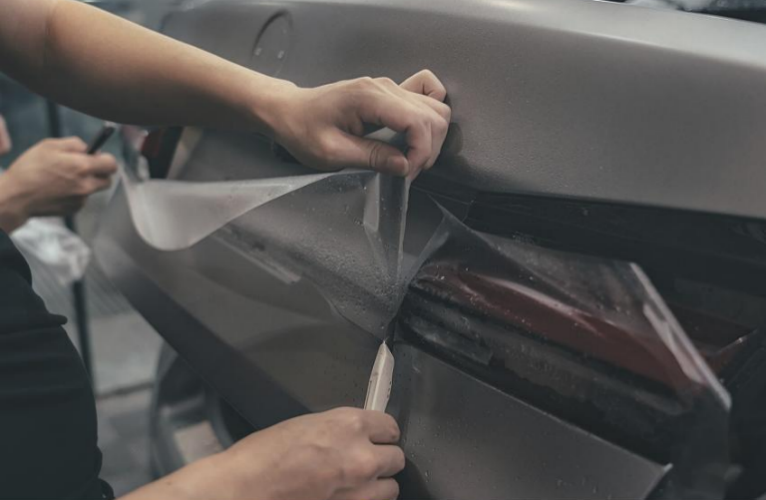
How Decorative Glass Film Can Effectively Reduce Glare and Heat
2026-07-26
How Decorative Glass Film Can Effectively Reduce Glare and Heat
Introduction to Decorative Glass Film
In the realm of architectural design and interior decoration, decorative glass film has emerged as a versatile solution to various challenges, particularly in managing glare and heat. As energy efficiency and user comfort become paramount in modern spaces, understanding the benefits and applicat
Understanding Clear Vinyl Paint Protection: Benefits and Applications
2026-07-19
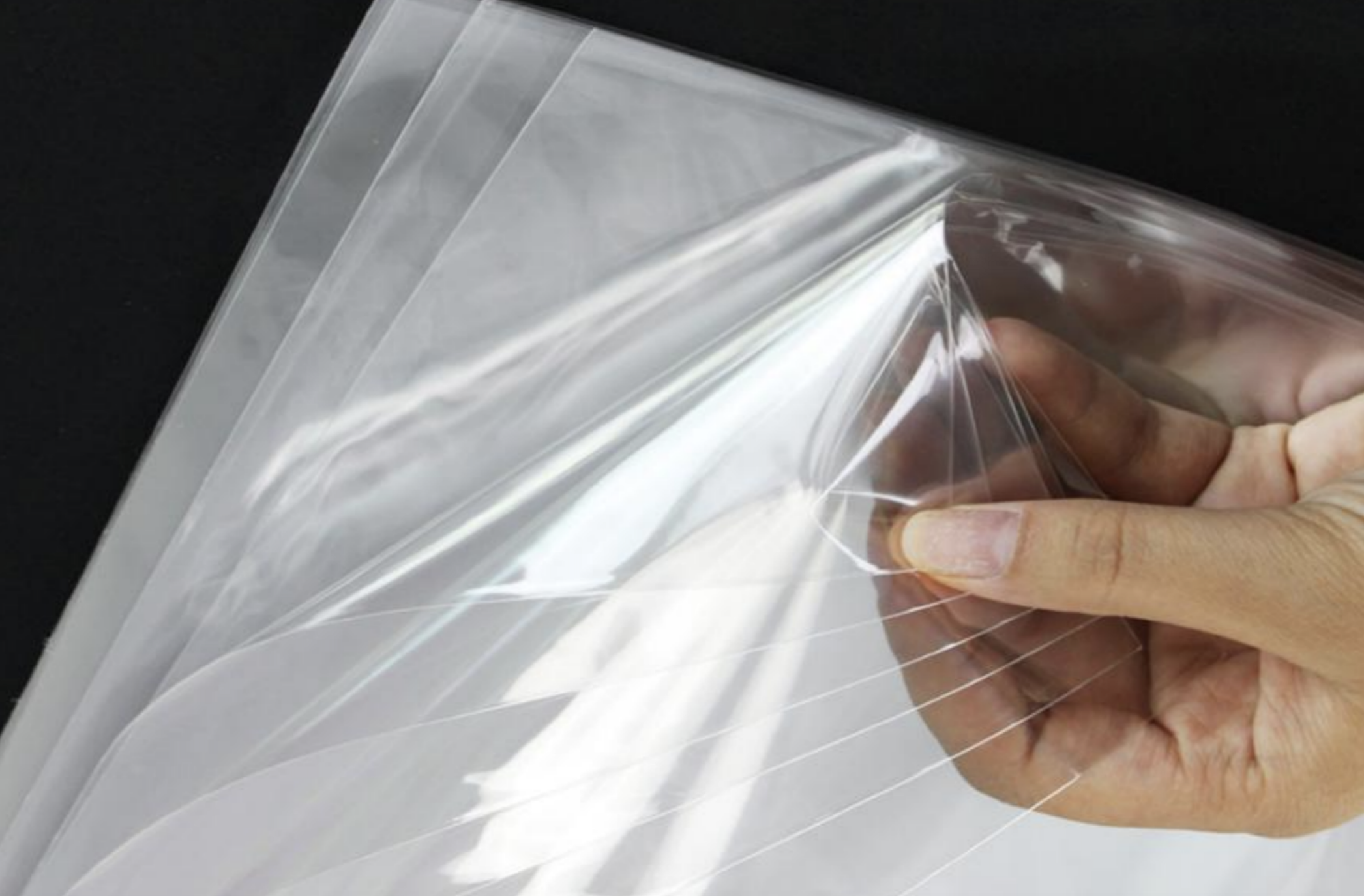
Clear vinyl paint protection is a specialized solution designed to shield surfaces from environmental damage while preserving their original appearance. This protective film is composed of high-quality, transparent vinyl that adheres seamlessly to various surfaces, including vehicles, furniture, and electronic devices. One of the primary benefits of clear vinyl paint protection is its ability to p
Wholesale matte paint protection film Manufacturers china
2026-07-13
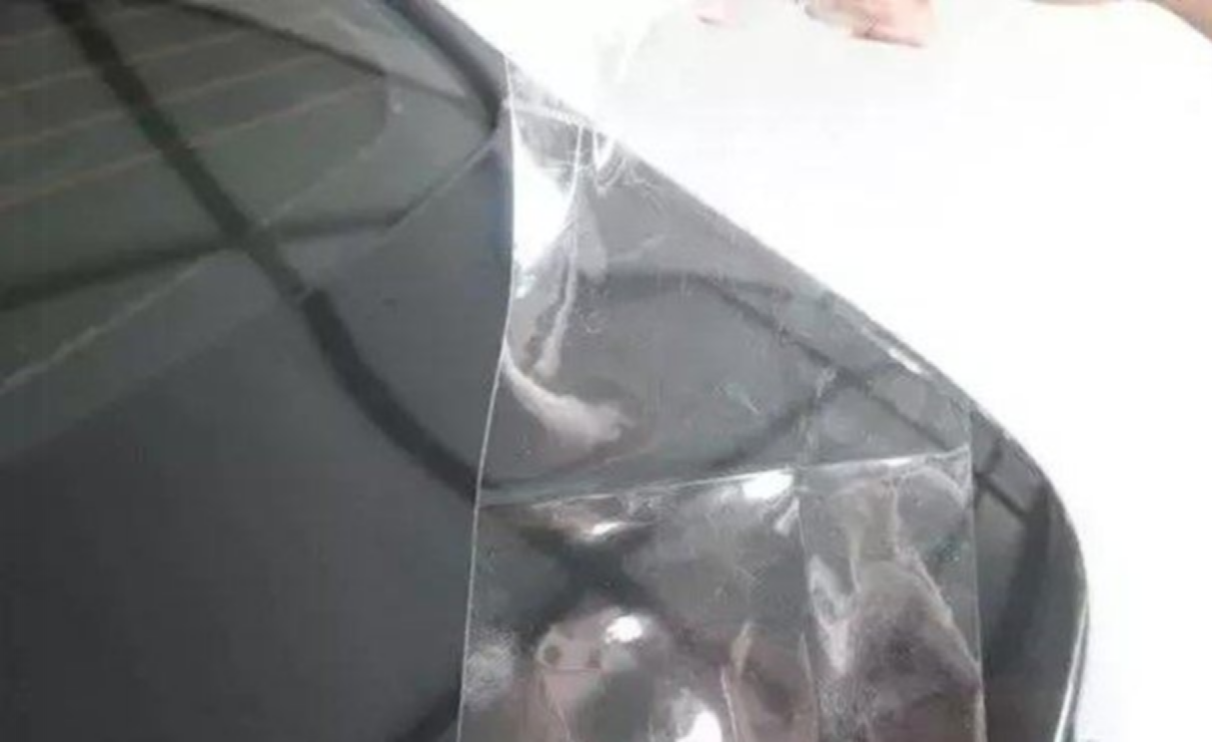
With the development of the car detailing, modification, and high-end vehicle protection markets, the demand for matte paint protection film is constantly increasing. For car detailing shops, modification shops, dealers, and bulk purchasing companies, choosing a suitable matte paint protection film supplier is crucial not only for product quality but also for customer satisfaction and long-term operating costs. Therefore, when purchasing matte paint protection film in bulk, a comprehensive evaluation is needed, considering factors such as material performance, production capacity, customization services, and after-sales support.


