

Before adopting TPU, it is necessary to understand these
2024-02-01
Thermoplastic polyurethane elastomer (TPU) is a type of elastomer that can be plasticized by heating and dissolved in solvents. It has excellent comprehensive properties such as high strength, high toughness, wear resistance, oil resistance, and good processing performance.
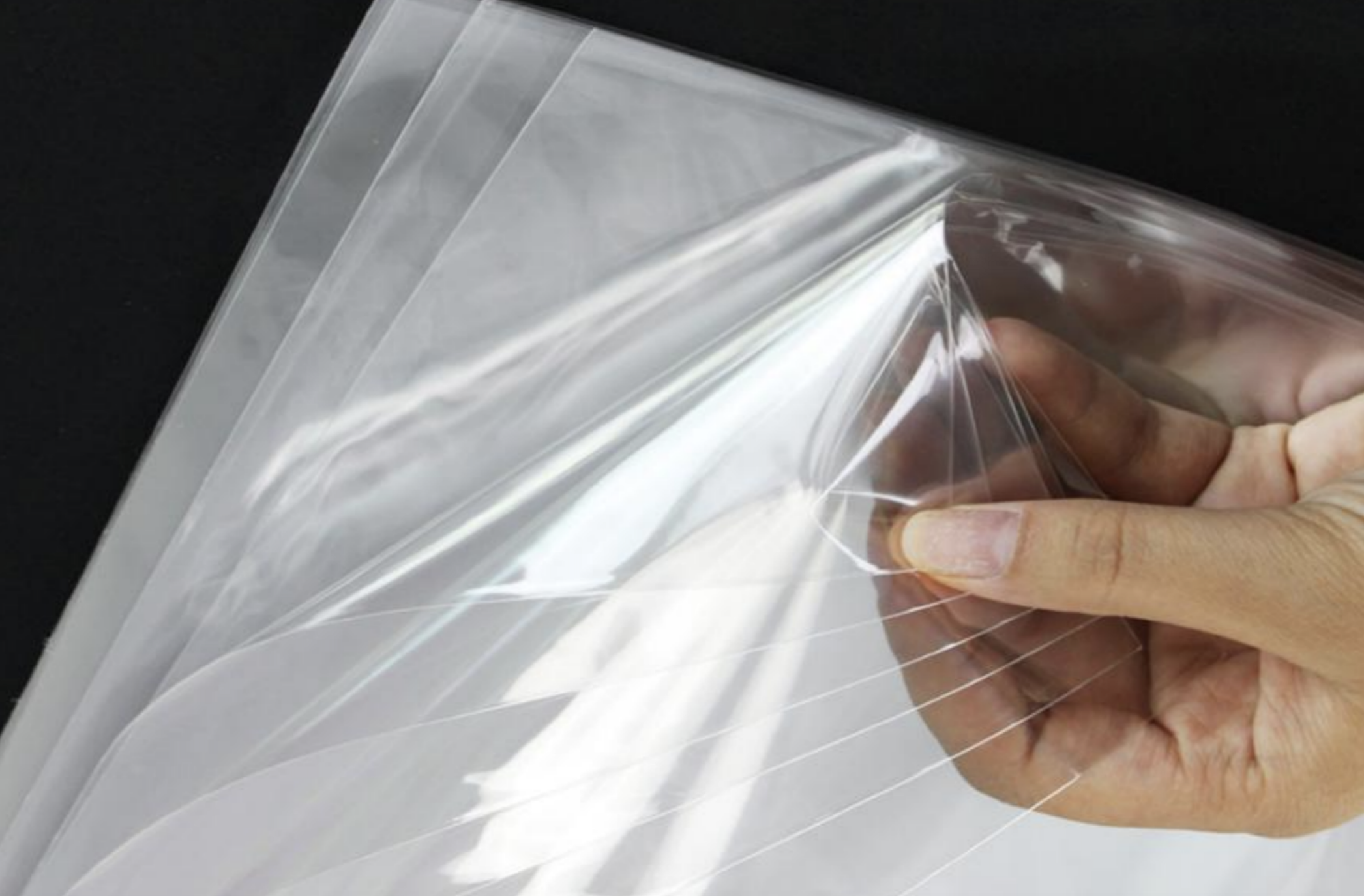
Classification and characteristics:
According to different classification standards, TPU can have many different classifications. For example, according to the soft segment structure, it can be divided into polyester type, polyether type, and butadiene type, which respectively contain ester group, ether group, or butene group. According to the hard segment structure, it can be divided into amino ester type and amino ester urea type, which are respectively obtained from ethylene glycol chain extenders or diamine chain extenders. The commonly used classification is polyester type and polyether type.
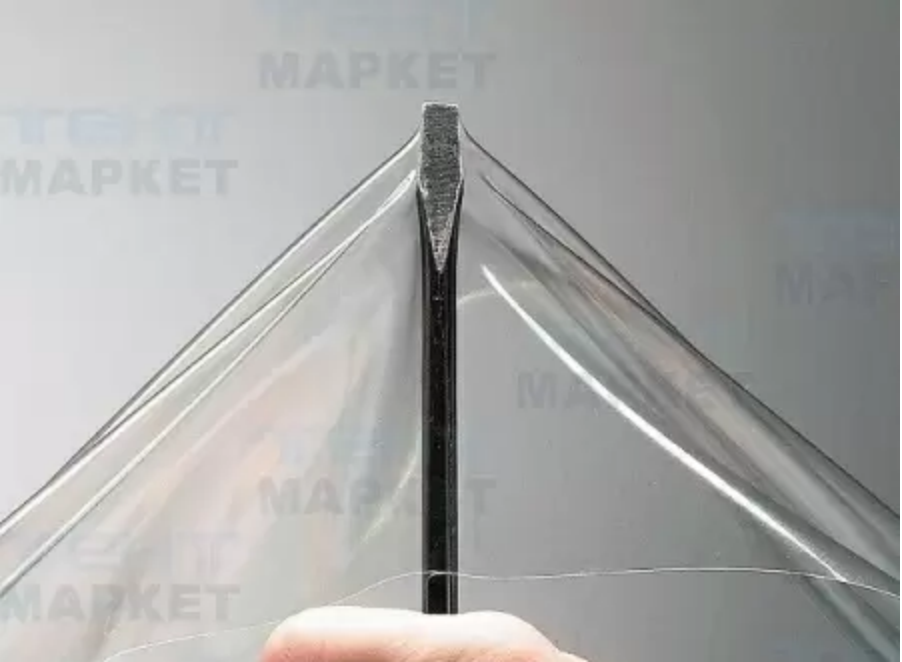
Ether type: high strength, hydrolysis resistance, high resilience, and good low-temperature performance.
Ester: Good tensile performance, flexural performance, wear resistance, solvent resistance, and high temperature resistance.
Like cast polyurethane (liquid) and mixed polyurethane (solid), TPU has high modulus, strength, elongation, and elasticity, excellent wear resistance, oil resistance, low temperature resistance, and aging resistance. The significant advantages of TPU include high tensile strength, high elongation, and low long-term compression permanent deformation rate.
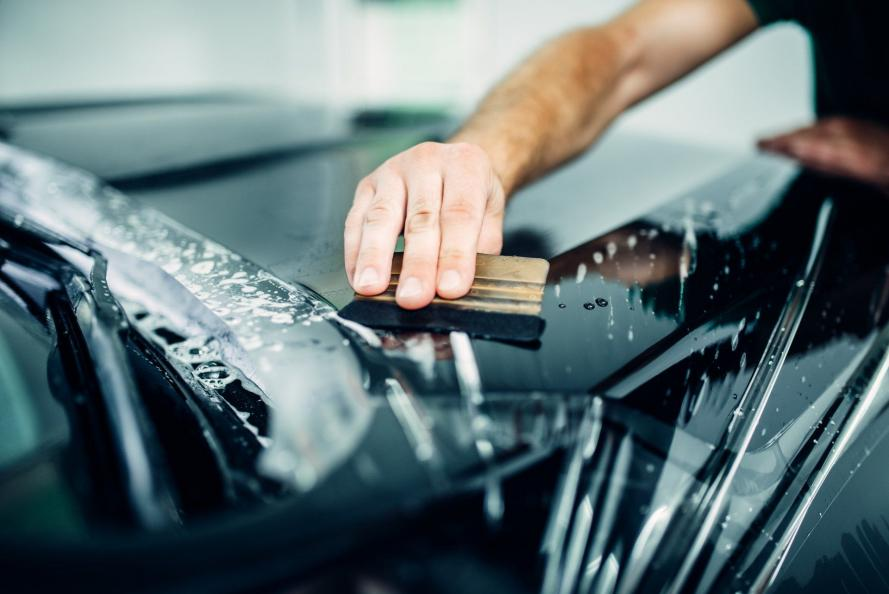
The characteristics of TPU materials:
- High wear resistance: It can be seen from the comparison of Taber wear index between TPU and other materials.
2.Wide range of hardness: By changing the ratio of TPU reaction components, products with different hardness can be obtained, and as the hardness increases, the products still maintain good elasticity.
3. High mechanical strength: TPU products have outstanding load-bearing capacity, impact resistance, and shock absorption performance.
4. Good processing performance: TPU can be processed using common thermoplastic material processing methods, such as injection, extrusion, rolling, etc. Meanwhile, TPU can be processed together with certain polymer materials to obtain polymer alloys with complementary properties.
5. Outstanding cold resistance: TPU has a relatively low glass transition temperature and maintains good elasticity, flexibility, and other physical properties at -35 ℃.
6. Oil resistant, water resistant, and mold resistant.
7. Good recyclability.

Enhancing Vehicle Longevity: The Benefits of Car Paint Protection Film
2026-08-02
How Decorative Glass Film Can Effectively Reduce Glare and Heat
2026-07-26
Understanding Clear Vinyl Paint Protection: Benefits and Applications
2026-07-19


